

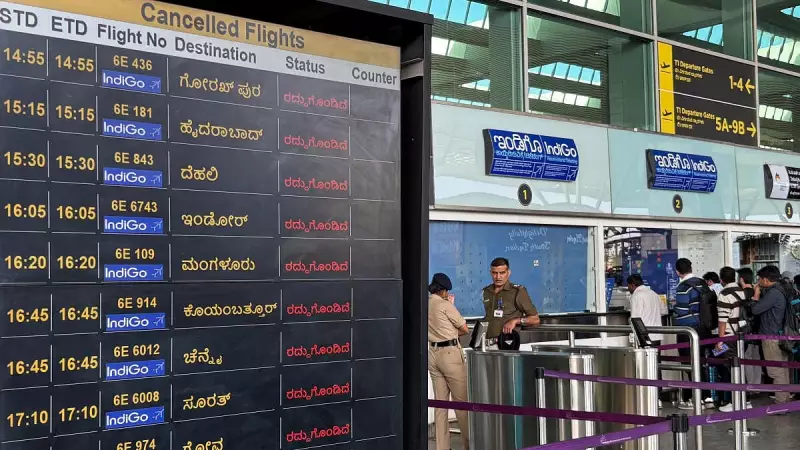
The ambitious rail link connecting Bengaluru to Kempegowda International Airport in Devanahalli has been plagued by significant delays, raising serious concerns about infrastructure planning and execution in Karnataka. This project, intended to provide seamless connectivity to one of India's busiest airports, has instead become a symbol of bureaucratic hurdles and missed deadlines.
Chronic Delays in Bengaluru's Airport Connectivity
Originally envisioned as a swift transportation solution, the airport rail link has faced numerous setbacks since its inception. Technical challenges, land acquisition issues, and funding constraints have all contributed to the project running years behind schedule. Commuters and travelers continue to rely on congested roadways, highlighting the urgent need for efficient public transport alternatives.
Infrastructure Lessons from Devanahalli
The experience at Devanahalli serves as a critical case study for urban planners and policymakers. Key lessons include the importance of realistic timelines, adequate funding allocation, and streamlined approval processes. These factors are essential for large-scale infrastructure projects that impact regional development and economic growth.

Karnataka's Second Airport: Planning with Precaution
As Karnataka government officials announce plans for a second international airport, the Devanahalli experience must inform their approach. The proposed airport represents a major investment in the state's aviation infrastructure, but without careful planning, it risks repeating past mistakes.
Critical considerations for the new airport project include:
- Comprehensive connectivity planning from the initial design phase
- Realistic budget allocation for both construction and ancillary infrastructure
- Stakeholder coordination between multiple government agencies and private partners
- Environmental impact assessments conducted thoroughly and transparently
The Economic Impact of Transportation Delays
Delayed infrastructure projects like the airport rail link have tangible economic consequences. They affect tourism, business travel, and regional development, potentially costing the state valuable investment opportunities. Efficient airport connectivity is not merely a convenience but a crucial component of economic competitiveness in today's globalized economy.
Bengaluru's experience demonstrates that transportation infrastructure requires holistic planning that considers not just the primary facility but all supporting systems. As Karnataka moves forward with its aviation expansion plans, the lessons from Devanahalli must be heeded to ensure that new projects enhance rather than hinder the state's development trajectory.






