

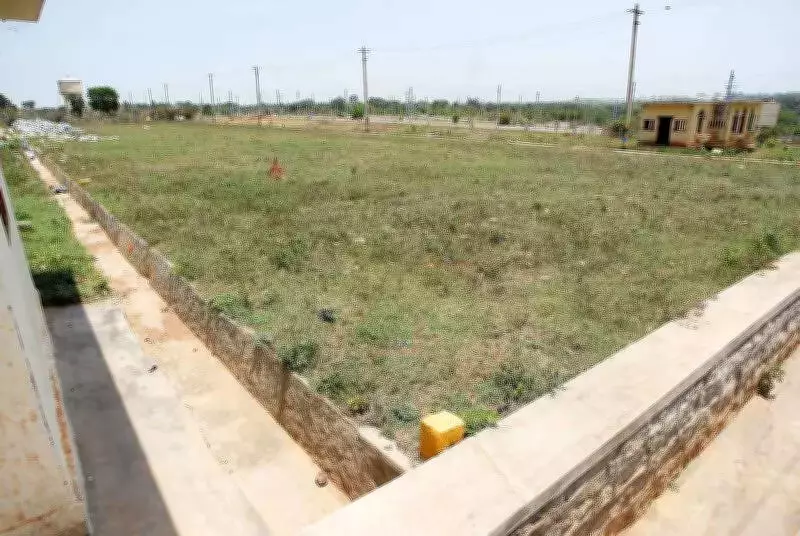
The Bangalore Development Authority (BDA) has intensified its crackdown on illegal urban expansion across Bengaluru, having officially flagged 258 unauthorized layouts within its jurisdiction. In a significant move to curb unlawful construction practices, the authority is now rolling out a comprehensive series of public interest notices aimed at educating citizens about proper planning regulations and lawful development procedures.
Public Awareness Campaign Targets Key Areas
BDA officials have confirmed that between 20 to 30 detailed notices will be issued as part of this awareness initiative. These notices will specifically outline crucial aspects of legal construction, including what legally constitutes a proper layout, mandatory approval requirements, the specific authorities empowered to grant permissions, and the jurisdictional boundaries of various regulatory bodies. The awareness drive is expected to commence initially from Budigere and surrounding regions, areas that have witnessed particularly rampant conversion of agricultural lands, green belt zones, and valley areas into unauthorized residential plots.
Widespread Problem Across Bengaluru Zones
A comprehensive survey conducted by BDA officials last year revealed an alarming 278 unauthorized settlements and layouts scattered throughout the authority's jurisdiction. According to data current as of January 28, these illegal developments are distributed across Bengaluru East, South, and North zones, affecting taluks including Yelahanka, Anekal, and Jigani. The survey findings indicate that the majority of these layouts were created through the conversion of agricultural land into residential plots without obtaining the necessary statutory approvals.

BDA Chairman NA Harris issued a stern warning to potential buyers: "Illegal layouts cannot be legally formed under any circumstances. Prospective buyers must thoroughly verify all approvals from BDA or other competent authorities before making any investment. We only release the right to sell properties after development is fully complete according to regulations. Our objective with this campaign is to inform and warn citizens that sites lacking proper documentation should never be purchased, as unauthorized sales carry absolutely no legal validity."
Infrastructure Challenges and Legal Vulnerabilities
Many of these unauthorized sites, despite having visible infrastructure elements like roads, drainage systems, and power poles, are located within agricultural green belt areas. This positioning makes them ineligible for A-khata certification and leaves them vulnerable to future demolition actions. A senior BDA official explained the core issue: "These layouts were predominantly established on agricultural land without obtaining necessary approvals, thereby disrupting planned urban development. The state government is currently framing guidelines under which panchayat and GBA authorities may consider conversion from B to A-khata through a defined procedural mechanism. With stricter khata norms now implemented, such violations are less likely to recur, and buyer interests are significantly better protected compared to previous years."
Activist Concerns About Amnesty Schemes
However, urban activists have raised serious concerns about potential government amnesty programs for B to A-khata conversions. They warn that such measures risk legitimizing poorly planned, unauthorized layouts while potentially compromising both buyer protection and comprehensive civic planning. R Rajagopalan, convener of the Bengaluru Coalition, expressed apprehension: "With the recent B-Khata to A-Khata conversion amendment, the current administration appears to be granting blanket amnesty to illegal layouts once again. Despite near-zero enforcement over the past couple of decades, these unplanned concrete jungles were allowed to proliferate extensively. While conversion fees are theoretically meant to fund infrastructure like roads, drains, streetlights, and civic amenities, chaotic and poorly planned layouts make post-occupancy provisioning extremely challenging. Low conversion rates risk compromising redevelopment efforts, and this blanket amnesty seems designed more to circumvent the Supreme Court judgment against unauthorized construction from over a year ago than to genuinely improve urban planning."

Statistical Breakdown of Illegal Sites
The BDA data reveals a detailed geographical distribution of unauthorized developments across key taluks:
- Bengaluru East: 79 illegal sites
- Bengaluru South: 58 illegal sites
- Yelahanka: 49 illegal sites
- Anekal: 93 illegal sites
Rajagopalan further emphasized the need for structural solutions: "BDA must submit a formal representation for establishing a dedicated corpus for conversion funds, publish a comprehensive redevelopment plan for these unauthorized layouts, and ensure proper enforcement mechanisms are implemented consistently." The growing menace of illegal urban sprawl continues to present significant challenges for Bengaluru's planned development, making public awareness and strict regulatory enforcement increasingly critical for sustainable urban growth.





