

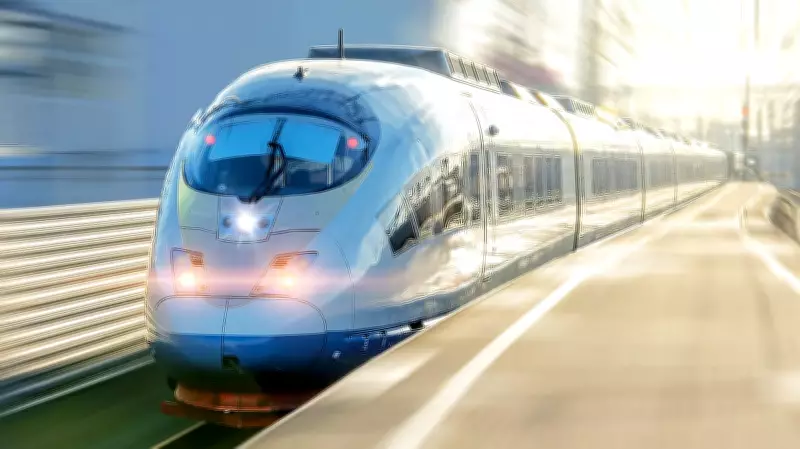
Bengaluru Set for High-Speed Rail Links to Chennai and Hyderabad
In a significant development for India's transportation infrastructure, Bengaluru is poised to receive bullet train connectivity to Chennai and Hyderabad. This initiative marks a major step forward in enhancing inter-city travel and boosting economic corridors in the southern region of the country.
Details of the Proposed Bullet Train Network
The new high-speed rail project aims to connect Bengaluru with Chennai and Hyderabad, two of the largest metropolitan cities in South India. This move is expected to drastically reduce travel times between these key urban centers, fostering greater business integration and tourism opportunities.
Key features of the project include:

- Implementation of advanced bullet train technology to ensure speeds exceeding 300 km/h.
- Development of dedicated rail corridors to minimize disruptions and maximize efficiency.
- Integration with existing public transportation systems in Bengaluru, Chennai, and Hyderabad for seamless connectivity.
Exclusion of Mysuru from the Initial Phase
While Bengaluru's connectivity to Chennai and Hyderabad has been prioritized, Mysuru has been left out of the initial phase of the bullet train project. This decision has sparked discussions among stakeholders regarding the strategic planning of high-speed rail networks in Karnataka.
Potential reasons for Mysuru's exclusion may include:
- Focus on connecting larger economic hubs first to maximize immediate impact.
- Logistical and financial considerations in extending the network to additional cities at this stage.
- Future plans that might incorporate Mysuru in subsequent phases based on demand and feasibility studies.
Implications for Regional Development and Travel
The introduction of bullet trains from Bengaluru to Chennai and Hyderabad is anticipated to revolutionize travel in South India. It will not only provide a faster and more comfortable mode of transportation but also stimulate economic growth by enhancing connectivity between major commercial centers.
Expected benefits include:
- Reduced travel time, making day trips between cities more feasible.
- Boost to tourism as accessibility improves for both domestic and international visitors.
- Encouragement of business collaborations and investments across the connected regions.
As the project moves forward, further details regarding timelines, funding, and technical specifications are awaited. The exclusion of Mysuru highlights the need for comprehensive planning to ensure equitable development across all major cities in Karnataka and beyond.






