

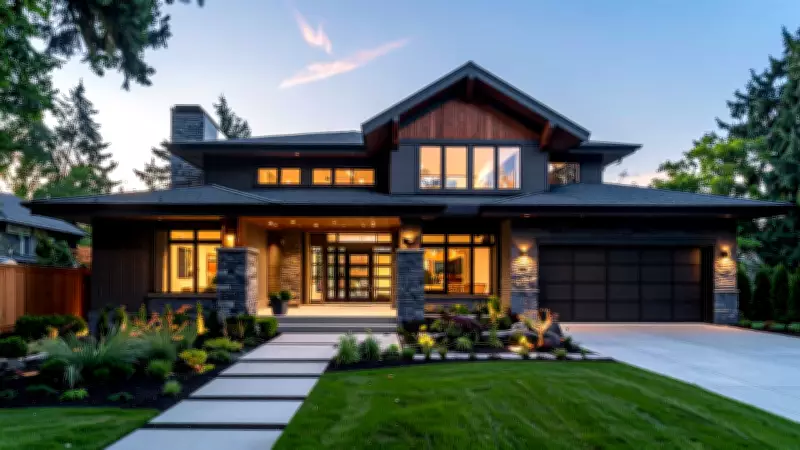
5 Expert Strategies to Seamlessly Blend Heritage Elements into Modern Home Design
Contemporary residences frequently emphasize functionality, clean lines, and minimalism, whereas traditional design venerates culture, craftsmanship, and historical narratives. The fusion of these two paradigms yields environments that are both timeless and current. Through deliberate integration of heritage components with modern aesthetics, homeowners can craft interiors that mirror personal identity while remaining practical and chic. This guide outlines five effective approaches to harmonize heritage with modern dwellings.
Incorporate Traditional Materials with Modern Design
Utilizing materials such as wood, stone, brass, and terracotta can instantly infuse a sense of heritage into a modern home. Rather than employing heavy traditional carvings, these materials can be adapted into sleek furniture, flooring, or accent pieces. This methodology preserves the essence of tradition while upholding a clean, modern appearance that feels balanced and inviting. For instance, a terracotta tile floor in a minimalist kitchen or brass fixtures in a contemporary bathroom can create a sophisticated blend.
Use Antique or Vintage Statement Pieces
Introducing one or two antique elements, like a carved wooden chest, vintage mirror, or heirloom furniture, can forge a powerful connection to the past. These items serve as focal points within a modern setting, injecting character and narrative into the space without overwhelming the overall design. A single, well-placed antique piece can transform a room, offering a visual anchor that bridges eras and adds depth to the decor.

Blend Traditional Textiles with Neutral Interiors
Indian textiles, including handwoven rugs, block-printed cushions, or embroidered fabrics, can soften and enrich modern interiors. When paired with neutral walls and minimal furniture, these textiles stand out elegantly. They contribute warmth, color, and cultural richness without rendering the space cluttered or excessively traditional. This approach allows for vibrant accents that celebrate heritage while maintaining a serene, contemporary backdrop.
Integrate Cultural Art and Decor Thoughtfully
Art plays a pivotal role in merging heritage with modern living. Traditional paintings, sculptures, or handicrafts can be displayed in a clean, organized manner. Instead of overcrowding walls, selecting a few meaningful pieces helps sustain a modern aesthetic while honoring cultural roots. Thoughtful curation ensures that each artwork tells a story, enhancing the room's ambiance without detracting from its streamlined design.
Combine Traditional Layout Elements with Modern Functionality
Architectural features like courtyards, jharokas, or open verandas can be incorporated into modern homes using innovative materials and layout designs. These elements not only improve ventilation and natural light but also impart a traditional feel to contemporary architecture. For example, a glass-enclosed courtyard in a modern apartment can evoke traditional open spaces while offering functional benefits, creating a seamless blend of old and new.
Merging heritage with modernity in home design is fundamentally about achieving the right equilibrium between the two. By making informed decisions regarding materials and decor, homeowners can create residences that reflect tradition and culture while perfectly accommodating modern-day needs. This balanced approach results in spaces that are not only aesthetically pleasing but also deeply personal and functional.






