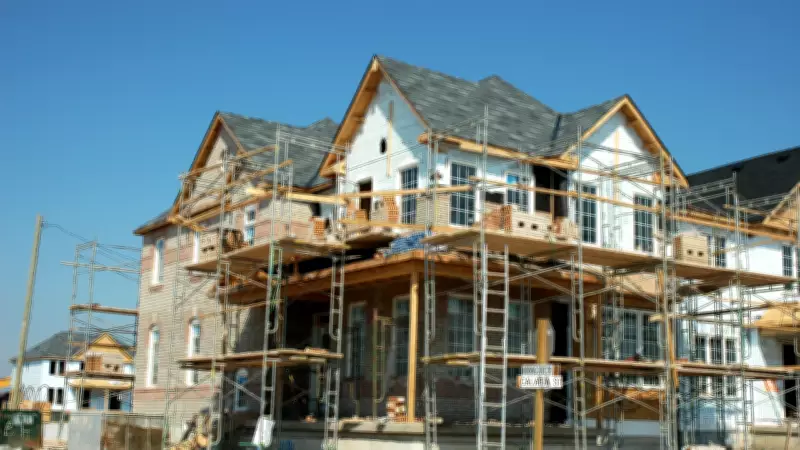
Planning to buy an under-construction home can be exciting, especially because it often comes with modern amenities, flexible payment plans, and comparatively lower prices than ready-to-move-in properties. However, such purchases also involve certain risks, including project delays, legal complications, and quality concerns. Before investing your hard-earned money, carefully verify every aspect of the project to avoid future hassles. Here are 10 crucial things every homebuyer should check before purchasing an under-construction property.
1. Builder's Track Record
Start by checking the developer's reputation, earlier projects, delivery history, and any delays or pending cases. RERA requires the promoter to disclose details of projects launched in the past five years, including completion status, delays, and pending cases, which makes this one of the best first checks before buying.
2. RERA Registration
Never ignore RERA registration. The law requires every promoter to register a real-estate project with the Authority and registration is granted only after submission of project details and approvals. A registered project gives you a clearer legal trail and better accountability if something goes wrong later.

3. Clear Land Title and Ownership
Make sure the land title is clean and the builder has legal rights over the property. Under PMAY-U 2.0 guidelines, project proposals are expected to include encumbrance-free land and clear land-title documents. This helps provide a clearer overview of the property ownership.
4. Sanctioned Approvals and Permissions
Check whether the project has all required approvals, such as building-plan sanction, commencement certificate, and other statutory permissions. RERA specifically requires the promoter to enclose authenticated approvals and the commencement certificate along with sanctioned plans and layout plans. Without these, the project can face legal or construction trouble later.
5. Payment Plan and Booking Amount
Study the payment schedule carefully. Under RERA, a promoter cannot accept more than 10% of the apartment cost as an advance or application fee without first entering into a written and registered agreement for sale. That rule is meant to protect buyers from paying too much too early.
6. Possession Timeline and Delay Terms
Ask for the promised possession date and see what happens if the builder delays it. RERA gives allottees the right to claim possession as per the agreement for sale and if possession is not delivered on time, the allottee may seek a refund with interest and compensation. The timeline should be clearly written, not just verbally promised.
7. Agreement for Sale
Read the agreement for sale line by line before signing. As per RERA, the agreement must be in prescribed form and should include project development details, specifications, internal and external works, and other terms. It also entitles buyers to stage-wise completion schedules and approved plan information, so the agreement should match what was promised.
8. Location and Future Infrastructure
Do not look only at the apartment; study the location too. RERA requires promoters to disclose location details with boundaries and even latitude-longitude coordinates, along with the development works and facilities planned for the project. This helps you understand connectivity, access, and whether the area has practical future value.
9. Construction Quality and Defect Responsibility
Even a good-looking project can hide quality issues, so check materials, workmanship, and site progress. RERA gives buyers protection here too: if a structural defect, workmanship issue, or service defect is reported within five years of possession, the promoter must rectify it without extra charge within 30 days.
10. Home-Loan Approval and Lender Scrutiny
A bank-approved project is not a guarantee but it does add a layer of scrutiny. Lenders commonly ask for documents such as title deeds, chain documents, approved plans, occupancy certificates, and non-encumbrance proof before approving premises or funding. That makes lender approval a useful practical filter for buyers.

An under-construction home can be a valuable investment, but only when you verify the builder, title, approvals, agreement, payment plan, timeline, and quality safeguards carefully. RERA and related housing documentation rules exist to make this process more transparent, but the final responsibility still lies with the buyer to check the papers, compare promises with disclosures, and proceed only after full due diligence.