

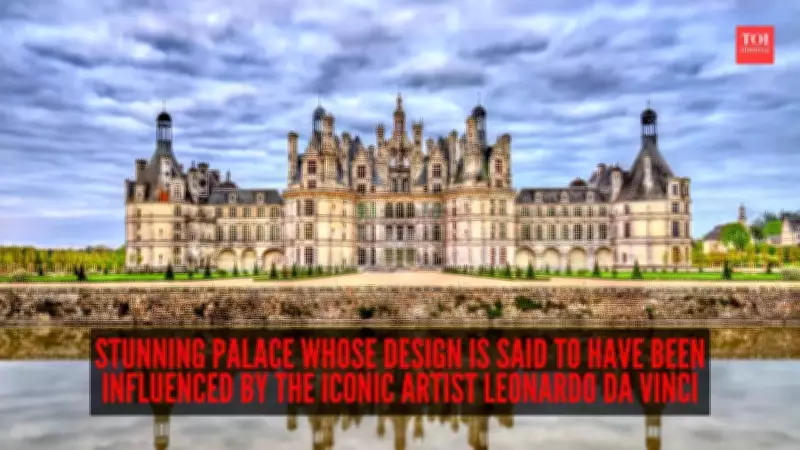
Château de Chambord: The Pinnacle of Luxury Real Estate and Architectural Heritage
In the competitive world of high-end real estate, few properties rival the spectacular grandeur of the Château de Chambord in Chambord, France. This exceptional estate, rising majestically from the picturesque Loire Valley, is not merely a historical monument but a true masterpiece in terms of scale, perspective, land value, and architectural aesthetics. Chambord represents the ultimate fusion of prime location, creative design, and enduring heritage, setting a benchmark for luxury properties worldwide.
A Royal Commission: Vision and Prestige in Estate Development
The château was commissioned in 1519 by King François I of France, conceived as a showcase property to display royal power, prestige, and a cultured lifestyle. Construction spanned nearly three decades, resulting in a dwelling that far exceeded the practical needs of a hunting lodge. Instead, it embodied premium estate development during the Renaissance era. Its immense size and innovative design would compete with the largest luxury projects globally, even by contemporary standards, demonstrating how visionary planning can create timeless value.
Architectural Innovation as a Core Property Value
Château de Chambord stands as a rare exemplar of visionary architectural planning. The structure is organized around a central axis, featuring a keep shaped like a Greek cross—a layout that emphasizes symmetry, balance, and thoughtful spatial design. According to historical records, it boasts 440 rooms, offering an expansive built-up area that combines grandeur with functionality. One of its most celebrated architectural highlights is the double-helix staircase, widely attributed to the influence of Leonardo da Vinci, who spent his final years in France under royal patronage.

From a real estate perspective, this staircase transcends mere artistic feature; it represents a value-adding architectural innovation. Unique design elements like this elevate a property from impressive to iconic, and Chambord illustrates how signature architecture can define a brand for centuries, enhancing both cultural and monetary worth.
Scale, Exterior Impact, and Comprehensive Estate Planning
Luxury real estate is often defined by curb appeal and meticulous land planning, and Chambord excels in both domains. Its skyline, adorned with turrets, towers, domes, and intricately designed chimneys, creates a dramatic silhouette that amplifies its visual dominance. This exterior beauty not only enhances the building's allure but also establishes a strong architectural identity—a critical factor in high-value properties.
The surrounding landscape plays an equally vital role. According to the Château de Chambord estate, the formal French gardens, originally arranged in the 18th century and restored in 2017, exemplify scrupulous estate planning. Symmetry, geometry, and vast green areas provide a harmonious balance between built structures and open land. In modern terms, this translates to premium master planning, where landscaping holds as much value as the architecture itself. Large estates with integrated gardens, secure access, and picturesque environments continue to lead the global luxury real estate market.
Strategic Location and Long-Term Asset Value
Location remains a golden rule in property investment, and the Loire Valley has historically been a region of strategic and cultural significance. Proximity to royal routes, fertile land, and natural beauty enhanced Chambord's appeal in the 16th century, much like connectivity and environment influence property prices today. Beyond its original residential purpose, the château has evolved into a heritage asset with enduring cultural and tourism value.
From a real estate investment perspective, this transformation highlights how landmark properties can shift from private estates to globally recognized assets, sustaining relevance and value across centuries. It underscores the importance of adaptability and cultural resonance in maintaining long-term asset appreciation.

A Legacy Real Estate Masterpiece for the Ages
Viewed through a modern property lens, Château de Chambord represents more than mere architecture; it embodies the concept of legacy real estate. It demonstrates how design innovation, visionary planning, expansive land use, and strategic location can create a property that transcends time. Whether directly shaped by Leonardo da Vinci or inspired by his genius, the château reflects Renaissance ambition and intellectual influence, making it a beacon of historical and architectural significance.
Centuries after its completion, Chambord remains one of the most recognizable estates in the world. It stands as irrefutable proof that when architectural brilliance meets strategic estate development, the result is not just a residence but a timeless real estate icon. This property continues to inspire contemporary luxury developments, emphasizing that true value lies in blending artistry with practicality for enduring legacy.





