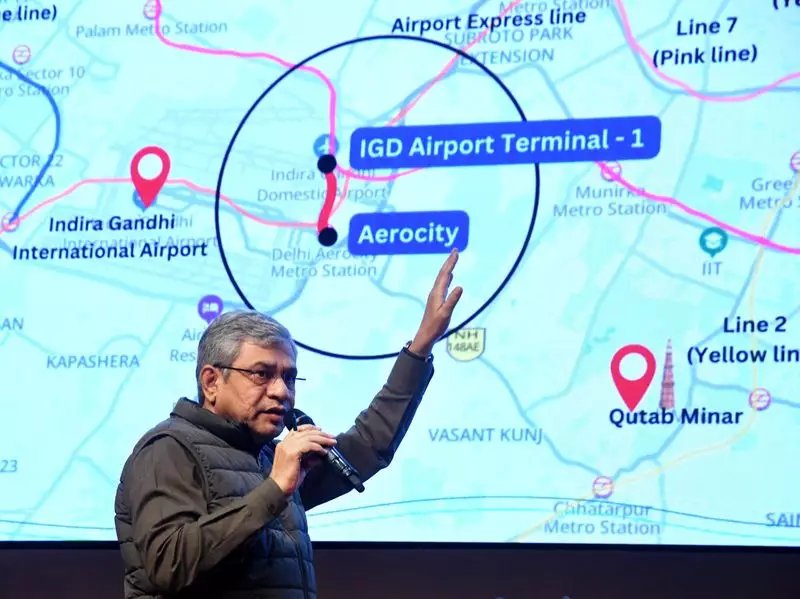
In a significant move to bolster urban connectivity, the Union Cabinet, chaired by Prime Minister Narendra Modi, has given its green signal for a major expansion of the Delhi Metro Rail Corporation (DMRC) network. The approval paves the way for the construction of a new 8.385-kilometer corridor, which will add 13 new stations to the city's sprawling metro map.
Details of the Approved Corridor
The newly approved stretch is an extension of the existing Magenta Line, often referred to as the Golden Line. It will run from Lajpat Nagar to Saket G Block, traversing through key areas of South Delhi. The project is classified as Corridor 8A of the Delhi Metro's Phase-IV expansion plan.
The construction will be entirely elevated, meaning all 13 stations will be built above ground. This decision is expected to streamline the construction process and potentially reduce costs and land acquisition complexities compared to underground sections. The total estimated cost of this vital infrastructure project is a substantial Rs 3,202 crore.

Strategic Importance and Enhanced Connectivity
This extension is strategically designed to decongest road traffic and provide a seamless, efficient public transport alternative in some of South Delhi's densely populated and commercially vibrant localities. Once operational, it will offer direct metro connectivity to areas that currently rely heavily on road-based transport.
The Union Cabinet's approval underscores the government's continued commitment to developing sustainable urban mobility solutions under the leadership of Prime Minister Modi. The Delhi Metro, a flagship mass rapid transit system, has been instrumental in transforming daily commutes for millions in the National Capital Region.
Next Steps and Broader Impact
With the formal approval now in place, the Delhi Metro Rail Corporation is expected to commence the detailed planning and tendering processes swiftly. The project will be executed by the DMRC, which has a proven track record of delivering complex metro projects within set timelines.
This expansion is a critical component of the larger Phase-IV plan, which aims to significantly increase the reach and capacity of the Delhi Metro network. The addition of this corridor will not only provide last-mile connectivity to new neighborhoods but also integrate with existing lines, creating a more comprehensive and user-friendly network for commuters.
The move is anticipated to have a positive ripple effect on the local economy, improving accessibility to commercial hubs, reducing travel time, and contributing to lower vehicular pollution by encouraging a shift to public transport. It represents a forward-looking investment in Delhi's infrastructure, aiming to meet the city's growing transportation needs for decades to come.