Haryana RERA Directs BPTP to Refund Rs 18.12 Lakh with Interest in Gurgaon Case
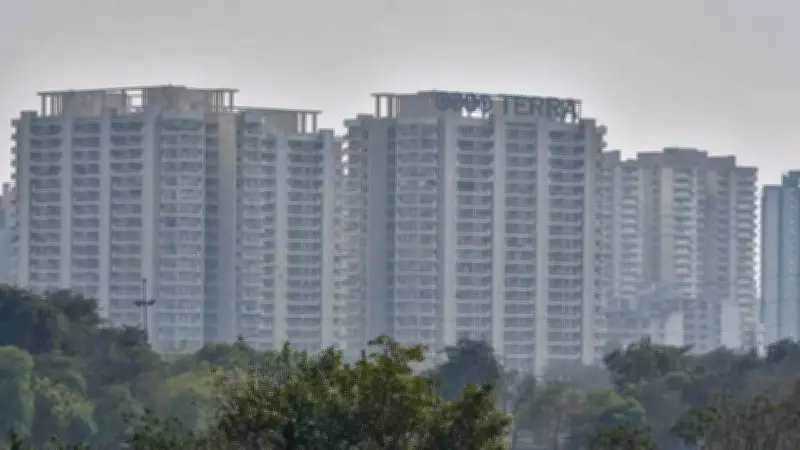
In a significant ruling for homebuyer rights, the Haryana Real Estate Regulatory Authority (HRera) has ordered BPTP Limited to refund Rs 18.12 lakh along with 2% interest to a homebuyer in its Park Terra project located in Sector 37D, Gurgaon. The authority firmly rejected the developer's argument that the complaint was time-barred, delivering a decisive order on March 12, 2026.
Background of the Complaint and Project Delays
The case stems from two complaints filed by the same allottee, Salaj Ahlawat. According to the detailed HRera order, Ahlawat had booked two units in the Park Terra project back in 2012, paying Rs 18.12 lakh out of a total cost of Rs 88.77 lakh. The builder-buyer agreement, signed in December 2012, stipulated that possession would be delivered by December 29, 2016. However, the project faced substantial delays and was not delivered as promised.
Due to financial difficulties arising from his father's medical expenses, Ahlawat stopped making payments after October 2012. He later sought a refund from the developer. In response, BPTP cancelled the allotment in May 2013 citing non-payment. The builder attempted to restore the allotment in 2016 on the condition that outstanding dues were cleared, but Ahlawat declined this offer.

HRera's Rejection of Time-Barred Plea and Legal Reasoning
BPTP argued vigorously that the complaint, which was filed in February 2025, was time-barred under the Limitation Act. The developer also claimed it was entitled to forfeit 15% of the sale value as earnest money. However, HRera dismissed these arguments comprehensively.
The authority ruled that the builder's persistent failure to refund the money created what it termed a "subsisting liability" or continuing liability. This meant the complaint remained valid despite the passage of time. HRera relied on the legal principle of continuing breach under the Limitation Act to reject the limitation objection raised by BPTP.
Merits of the Case and RERA Provisions
On examining the merits, HRera acknowledged that the cancellation of the unit was technically valid under the agreement due to the payment default. However, it emphasized that the developer still had an obligation to refund the amount after deducting only the permissible earnest money.
Critically, the authority noted that under the Real Estate (Regulation and Development) Act provisions, a developer cannot charge more than 10% of the total cost as earnest money. BPTP's attempt to deduct 15% was found to be in clear violation of the Act. HRera also cited relevant Supreme Court rulings to affirm its statutory power to order refunds with interest in such cases.
Implications for Homebuyers and Real Estate Sector
This order provides substantial relief to the homebuyer, who had sought to exit the delayed project and recover his investment. The decision reinforces the protective framework of RERA for consumers in the real estate market, particularly in cases involving project delays and refund disputes.
The ruling sends a strong message to developers about compliance with earnest money limits and the continuing nature of refund obligations. It highlights how regulatory authorities are interpreting time limitation provisions in favor of homebuyers when developers fail to fulfill their financial responsibilities.