

Indian Cities Enter a New Phase of Urban Transformation
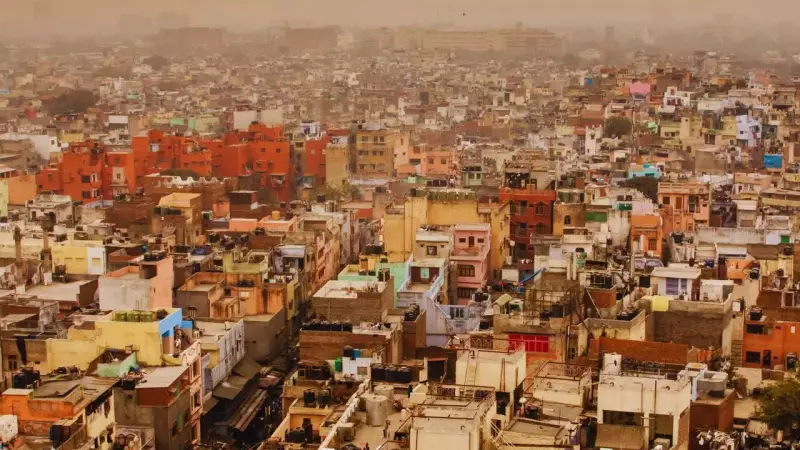
Walk through many Indian cities today and you will notice clear signs of change. Streets that once felt familiar now appear busier. Buildings show their age more visibly. What residents expect from their neighborhoods has shifted significantly.
Cities are evolving at a pace that daily life struggles to match. Urban redevelopment is quietly entering a new phase across the country. By 2026, this transformation will become even more apparent to everyone.
From Reactive Fixes to Proactive Planning
Urban experts are already calling this new approach Redevelopment 2.0. Jason Samuel, Managing Director of House Of Swamiraj, provides valuable insights into this emerging trend.

Earlier approaches to redevelopment were mostly reactive. Buildings got replaced only when they became unsafe. Roads were widened only after traffic became unbearable. Public spaces received upgrades one by one. There was little consideration of how all these changes fit together as a whole.
Now, cities are asking fundamentally different questions. How do people actually move around their neighborhoods? How can areas stay lively outside regular office hours? Can housing, work, and daily needs coexist comfortably in one area? These are the questions shaping current urban projects across India.
Early Signs of Change Across Cities
Several small initiatives hint at this broader shift happening nationwide. Ahmedabad has focused on precinct-level road improvements that consider pedestrian needs. Lucknow is experimenting with public spaces designed to remain active during evening hours.
Each project alone might seem limited in scale. Together, however, they demonstrate a clear shift from merely fixing what is broken to anticipating future urban needs proactively.
Housing Redevelopment That Actually Works for People
In dense cities like Mumbai and Thane, older residential buildings often created serious safety and livability concerns. Past waves of redevelopment left residents uncertain about timelines, compensation packages, and temporary living arrangements.
That situation is changing noticeably. Newer projects such as SBM Sky in Vartak Nagar and Kuber Heights in Hariom Nagar, Thane, feature clear execution plans. They have defined delivery timelines and established rental compensation mechanisms.
Residents feel more secure with these arrangements. Developers can operate with greater accountability. Redevelopment is starting to feel less like a risky gamble and more like a managed transition process.
These projects demonstrate how redevelopment is adapting to contemporary lifestyles. SBM Sky provides practical homes located close to transport hubs, making daily travel much easier. Kuber Heights integrates homes with commercial spaces, allowing residents to reach work, shops, and daily essentials without undertaking long journeys.
Sustainability considerations are no longer optional extras. Projects now routinely include rainwater harvesting systems, energy-saving technologies, and effective waste management from the very beginning. The aim is building homes that are practical, comfortable to live in, and environmentally mindful.
Looking Beyond Individual Buildings
Redevelopment affects much more than just residential structures. Better streets, safer walking paths, and public spaces that people actually use - these improvements fundamentally change how neighborhoods function.
Gurgaon is redesigning some of its major roads to provide dedicated safe spaces for cyclists and pedestrians. Chennai is transforming its Broadway bus stand into a modern multimodal transportation hub.
Projects like these demonstrate that redevelopment works best when it considers movement patterns, community amenities, and public safety together as interconnected elements.
Real Challenges on the Ground
Redevelopment is rarely an easy process. Finding the right balance between resident expectations, developer plans, and government regulations can become quite complicated.
In older neighborhoods, deep social ties and long community memories make consensus building even more challenging. One noticeable positive change is greater transparency throughout the process.

People now have clearer understanding of their legal rights. They know more about project timelines. They develop more realistic expectations. These improvements help reduce unnecessary delays and make redevelopment smoother and more acceptable for everyone involved.
Why 2026 Represents a Crucial Milestone
The significance of 2026 does not lie in any single project or policy announcement. It represents the alignment of urban planning, implementation capability, and community readiness.
Cities are beginning to see redevelopment as a strategic tool. It can improve housing quality substantially. It enables better use of available land resources. It supports long-term, sustainable urban growth.
How redevelopment gets handled during this period could shape how Indian cities accommodate continuing population growth. The goal is maintaining functionality and livability even as urban populations expand.





