

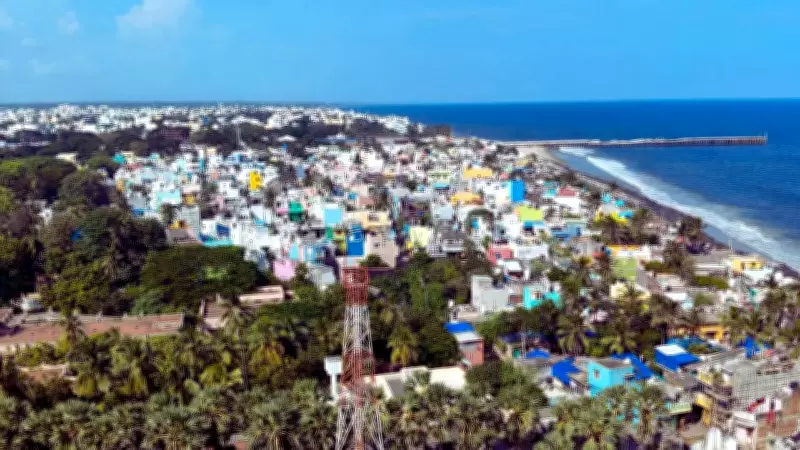
The Evolution of India's Real Estate: From Urban Hubs to Coastal Ecosystems
The transformation of India's real estate sector is marking a significant departure from its traditional reliance on metropolitan cities as the primary demand drivers. This shift is now being propelled by emerging geographies that are fueled by robust infrastructure development and evolving lifestyle aspirations. The industry's focus is expanding beyond mere housing to encompass integrated ecosystems that prioritize wellness, tourism, and experiential living, signaling a major structural change in the coastal economy along India's western seaboard.
Infrastructure Unlocks New Real Estate Corridors in Konkan
The Konkan region, historically viewed as a seasonal tourism destination, is undergoing a profound structural transformation driven by enhanced connectivity. Key infrastructure projects are effectively integrating this area into Mumbai's economic orbit. The near completion of the Mumbai–Goa Highway, with over 90% of the work done, is set to drastically improve road access along the coast. This is complemented by the launch of Roll-on/Roll-off (Ro-Ro) ferry services connecting Mumbai to Ratnagiri and Sindhudurg, reducing travel times to just a few hours.
Additional multimodal connectivity is being provided by the operational Chipi Airport and the upcoming Konkan Expressway. These developments are not merely improving access; they are unlocking entirely new real estate corridors, as highlighted by Dr Niranjan Hiranandani, Chairman of NAREDCO, who shares exclusive insights into this evolving landscape.

The Rise of the Coastal Economy and Lifestyle Shifts
As distances shrink with better connectivity, real estate naturally follows. Coastal micro-markets are transitioning from being mere vacation home destinations to offering year-round residential and investment opportunities. Alibaug, in particular, has emerged as a natural extension of Mumbai's high-end housing market. Its enhanced accessibility and connectivity features have made it a preferred choice among High Net-Worth Individuals (HNI) and Non-Resident Indian (NRI) buyers seeking low-density lifestyle opportunities.
This demand is characterized by its unique blend of aspiration and practicality. Buyers are increasingly investing in experiences just as much as in physical homes, reflecting a broader shift in consumer behavior post-pandemic. Space, wellness, and quality of life have become paramount, leading to the emergence of hospitality-led residential concepts, villa developments, and experiential townships. In these setups, homes are perceived not as standalone assets but as integral parts of an integrated lifestyle that synergizes leisure, wellness, and community.
Wellness and Medical Tourism as New Demand Engines
The rise of wellness tourism and preventive healthcare is becoming a significant new demand driver in India's real estate sector. The country's global leadership in Ayurveda, Yoga, and holistic wellness is starting to be reflected in real estate formats that embed wellness infrastructure directly into residential and hospitality ecosystems. This trend is further amplified by the growth momentum of India's medical tourism industry, which benefits from cost advantages, high-quality healthcare infrastructure, and an increasing inflow of foreign patients.
This has translated into a growing demand for integrated developments that offer a seamless blend of healthcare, hospitality, and residences. Such ecosystems not only enhance the value proposition for investors but also drive year-round economic activity in emerging regions. In coastal and satellite destinations, the confluence of healthcare and real estate can fuel local development and help create sustainable, long-lasting assets.
Beyond Housing: Building Ecosystems for the Future
The change in India's real estate landscape is being propelled by the convergence of wellness and medical tourism with traditional development. India's strengths in Ayurveda, preventive, and holistic healthcare are being translated into innovative real estate projects, where wellness infrastructure is integrated into residential and hospitality developments. This represents a fundamental redefinition of real estate—from merely building homes to constructing comprehensive ecosystems.

This shift offers a diversified, policy-supported opportunity for investors and plays a crucial role in job creation, tourism promotion, and infrastructure utilization for regional economies. The next real estate cycle in India will be shaped by the confluence of infrastructure, lifestyle, and capital. A prime example of this dynamic is found along the Konkan coast, where better connectivity is enabling places like Alibaug to evolve from weekend retreats into full-fledged investment and residential hotspots.
In summary, the next wave of real estate in India will not be confined to metropolitan areas. It will focus on emerging destinations that are accessible, well-connected, and driven by real estate developments that create compelling value propositions through integrated living experiences.





