In a significant policy shift aimed at cleaning up the real estate sector, the Rajasthan government has imposed an immediate ban on the registration of properties based on informal documents known as housing society "pattas." This decisive move targets long-standing issues of unregulated development and aims to protect homebuyers from fraud.
Crackdown on Unauthorized Colonies and Buyer Protection
The state government's order now explicitly prohibits sub-registrars from registering plots issued by private housing or cooperative societies. For years, this informal documentation system has been a source of numerous public complaints, legal disputes, and critical audit observations. The ban primarily seeks to curb the rampant growth of unauthorized colonies, especially on Jaipur's outskirts such as Ajmer Road and Kalwar Road.
These societies often sold plots without obtaining mandatory land-use conversion or having their layout plans officially approved. Consequently, buyers were misled into believing they were purchasing legal plots, only to later discover the pattas lacked statutory recognition. These documents were not accepted by key authorities like the Jaipur Development Authority (JDA), gram panchayats, or utility departments, leaving residents without basic amenities like water, drainage, and electricity.

The New 90-A Conversion Mandate
Under the new regulatory regime, all such land must now undergo a formal process known as 90-A conversion. This procedure requires certification from multiple authorities, including the revenue department, town planning, and the JDA. Officials must verify the land-use, layout, road width norms, and overall conformity with the Jaipur Master Development Plan.
Only after successfully completing this rigorous process will the Stamps & Registration Department be permitted to register any sale deed for the property. Real estate expert Nagendra Chaudhary supported the move, stating it was long overdue. He highlighted the visible damage, including cases of duplicate pattas, mismatched boundaries, colonies obstructing natural drains, and promised infrastructure that never materialized.
Protests and Practical Hurdles Emerge
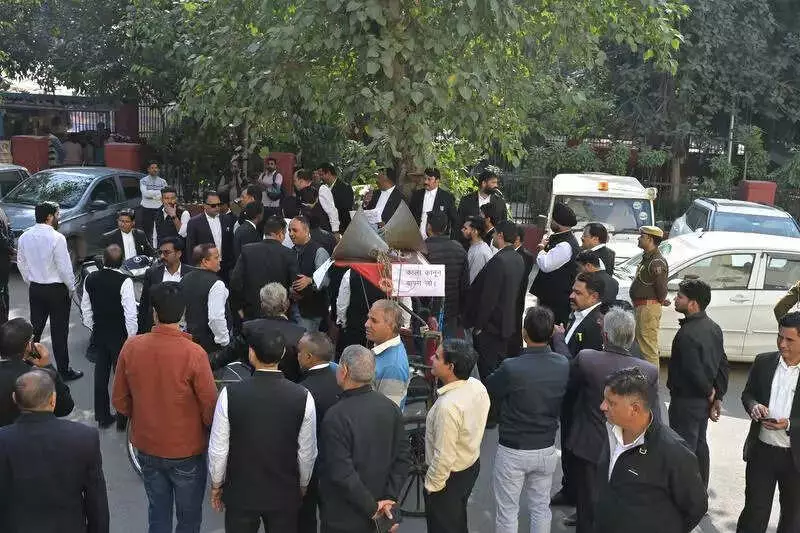
However, the decision has not been met with universal approval and faces practical challenges. Lawyers engaged in registration work protested on Thursday, halting work at sub-registrar offices across Jaipur district. Judicial work in revenue courts was also suspended.
Gajraj Singh Rajawat, President of the District Bar Association in Jaipur, argued the decision inflicts grave injustice on common citizens. "Nearly 80% of Jaipur city is built on such pattas issued to ordinary, low-income citizens," he claimed. He warned that the rule could empower land mafia and society owners to issue back-dated pattas at exorbitant prices, exploiting the situation.
Furthermore, other stakeholders point out a significant hurdle in the 90-A process: a single plot holder cannot initiate it alone. The application requires collective action from all individuals holding land parcels within the society, which could be logistically difficult. Conversely, some believe society owners might benefit, as they could charge commissions for facilitating future plot transfers under the new system.
The state government's crackdown represents a major attempt to bring order to Jaipur's real estate landscape, but its success hinges on addressing the concerns of existing residents and ensuring the new process is accessible and not exploitative.