From Fields to Fortunes: How Jewar Farmers Navigated a Rs 10-Crore Windfall
When the Uttar Pradesh government began acquiring land in 2019 to construct the Noida International Airport, Hanshraj Singh, a 70-year-old farmer from Dayanatpur village in Jewar, faced displacement anxieties. His decision to give away 10 bighas (approximately 2.5 hectares) brought him a compensation of Rs 2.5 crore, securing his family's future.
The Pandemic Pivot and Subsequent Sales
The COVID-19 pandemic introduced new uncertainties, but when authorities approached Hanshraj again for additional land to build airport roads, he readily agreed. Over 2020 and 2021, he sold his remaining 15 bighas, bringing his total compensation to roughly Rs 9.5-10 crore.
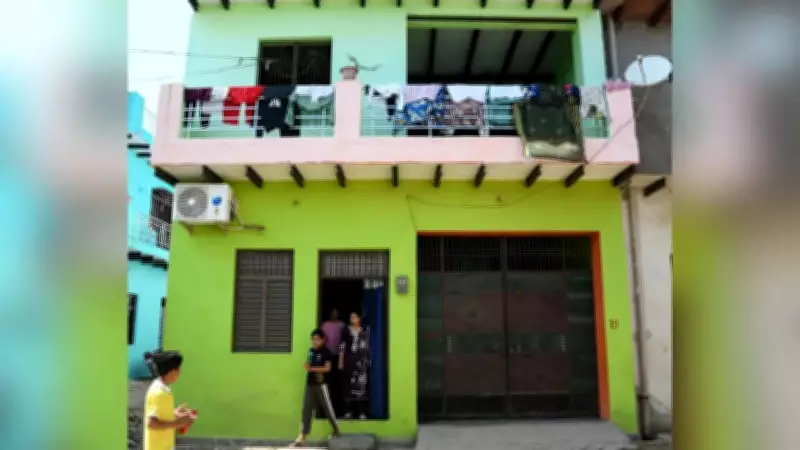
"Around 30% of this money went into buying agricultural land so that I could continue farming," Hanshraj told TOI. He purchased 10 bighas in Karoli village, about 18km from the airport, for Rs 28 lakh per bigha. Additionally, he acquired a 162-square-metre residential plot in Sector 16B of Yamuna Expressway for approximately Rs 35 lakh to build a two-storey house.

His sons are employed—one in the police force and another in the private sector—allowing the family to avoid splurging. Instead, they focused on investments and improving their quality of life.
A Community of Cautious Spenders
Families in Jewar who received cash windfalls from the airport project have been remarkably careful with their expenditures. The shift in lifestyles, including the acquisition of vehicles like Thar and Fortuner SUVs, occurred gradually. This prudence may stem from the pandemic or cautionary tales of wasteful spending from other regions.
After the initial acquisition phase, cash flowed into Jewar, with two farmers crossing the Rs 10-crore mark—the maximum compensation reaching Rs 12 crore. Around 30 farmers received payouts between Rs 5 crore and Rs 10 crore, while subsequent acquisitions for utilities pushed some compensations above Rs 20 crore. Officials estimate that 50-60 farmers have received more than Rs 5 crore.
Anchoring Futures in Agriculture
Most beneficiaries continue to anchor their futures in agriculture, now with landholdings in neighbouring districts such as Mathura, Aligarh, and Bulandshahr. Rohi resident Ajeet, for instance, bought seven bighas in Aligarh at about Rs 3 lakh per bigha. He still owns four bighas of ancestral land in Rohi, bordering the airport site, where he built a new house and lives with his family.
"My main source of income was farming, which I continue on bigger land," Ajeet said, noting the appreciation of his Rohi plot due to its proximity to the airport. He has also invested in a new house and purchased a car.
Educational Aspirations and Upward Mobility
The compensation has altered educational choices, with several families enrolling their children in private schools. However, infrastructure gaps persist—Jewar block has only two private schools in Hamidpur, forcing others to travel about 40km to Greater Noida.
Upward mobility and regional development have shifted mindsets. Ajeet, who once considered marrying his daughters early, now supports their higher education: "One is pursuing a BA and the other a BBA. With the airport in place, I believe they will get jobs."
Choosing Compensation Over Jobs
Harinder Singh from Rohi opted for monetary compensation instead of a job offer during land acquisition. He received around Rs 2.4 crore for 12 bighas and took an extra Rs 5 lakh in lieu of employment. "I preferred to continue farming as it is my profession," he explained.
He reinvested most of the amount, purchasing 60 bighas in Bulandshahr for about Rs 2 crore, spending Rs 20 lakh on a house, and depositing another Rs 20 lakh in a fixed deposit. Singh still owns 10 bighas in Rohi, where he continues to farm.
Financial Security and Lingering Concerns
Daryab Singh, a Rohi resident, observed that many families are now more financially secure, with new houses, SUVs replacing older vehicles, and increased spending on education. However, he highlighted ongoing challenges: "At least 335 candidates who opted for jobs instead of Rs 5 lakh compensation are still awaiting permanent employment."

Uncertainty also looms for those with land near the airport, as future acquisition phases are possible. While hopeful about development, concerns about long-term job and livelihood prospects remain.
In Jewar, a windfall has brought transformation—not through extravagance, but through prudent investments in land, education, and housing, reshaping a community's future amidst rapid infrastructural growth.