

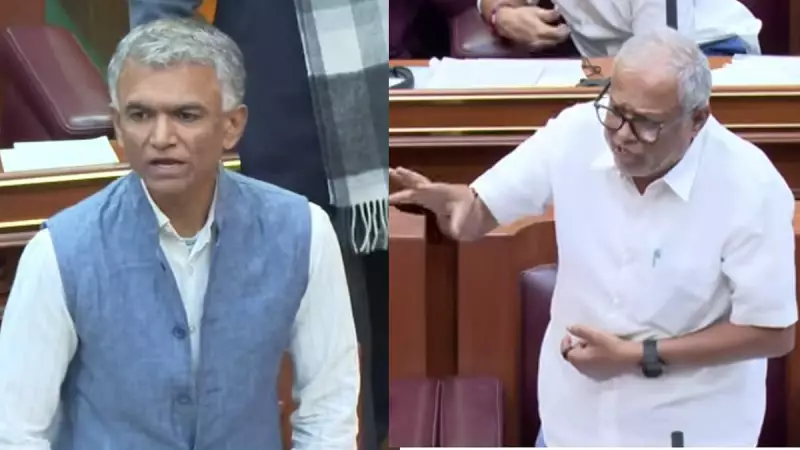
The Karnataka government has made a significant commitment in the Legislative Assembly to take decisive action regarding the state's outdated Rent Control Act. This promise came during a heated discussion, signaling a potential overhaul of the decades-old law that governs landlord-tenant relationships.
Assembly Debate Spurs Government Promise
During the recent Assembly session, the issue of the archaic rent control legislation was brought to the forefront. Lawmakers engaged in a passionate debate, highlighting the numerous problems stemming from the current law. In response to the mounting pressure and detailed arguments presented by members, the state government officially acknowledged the need for reform.
The government assured the House that it would take necessary steps to address the shortcomings of the existing Rent Control Act. This commitment was seen as a direct response to the grievances raised by both tenants and property owners, who have long suffered due to the impractical provisions of the old law.

The Core Issues with the 1961 Act
The Karnataka Rent Control Act, enacted in 1961, has been a source of continuous conflict and legal disputes. The primary criticism revolves around its rigidity and failure to reflect contemporary economic realities. The act effectively freezes rents at very low levels for old tenancies, making it financially unviable for landlords to maintain their properties.
This has led to a severe shortage of well-maintained rental housing, as property owners find little incentive to rent out their spaces. Conversely, tenants in old agreements, while protected from rent hikes, often live in dilapidated conditions because landlords cannot afford repairs with the meager rental income. The law has created a lose-lose situation, stifling the rental market in major cities like Bengaluru.
The act's cumbersome eviction process is another major pain point. Even in cases of genuine need or non-payment of rent, landlords face a protracted and complex legal battle to reclaim their property. This has discouraged many from entering the rental market altogether, exacerbating the housing crisis.
Path Forward and Expected Impact
The government's promise in the Assembly is the first crucial step towards modernizing the rental landscape in Karnataka. While specific details of the proposed changes are yet to be unveiled, the announcement has been welcomed by stakeholders. The expectation is that a new, balanced law will be drafted to protect the interests of both tenants and landlords.
A modern rent control act is likely to focus on ensuring fair rent based on market dynamics while providing tenants with security of tenure. It may also streamline the dispute resolution mechanism, making it faster and more efficient. The ultimate goal is to unlock the frozen rental market, encourage the supply of more rental housing, and reduce legal conflicts.
The government's action on this long-pending issue is now eagerly awaited. The move has the potential to transform urban housing in Karnataka, making cities more livable and providing clarity and fairness to one of the most common civil agreements in the state.






