

Ludhiana Developers Urge Authorities to Halt Proliferation of Illegal Colonies
In a significant move, local real estate developers in Ludhiana have formally appealed to the district administration and relevant authorities to take decisive and immediate action against the rapid spread of illegal colonies across the city. They argue that these unauthorized developments are causing substantial harm on multiple fronts, including financial losses for legitimate builders, depletion of government revenue, long-term hardships for residents, and contributing to the haphazard, unplanned expansion of Ludhiana.
Industry Stakeholders Highlight the Challenges of Reversal
Industry stakeholders have pointed out that once illegal colonies are established and families move in, reversing the situation becomes an immense and complex challenge. At that stage, enforcement actions such as demolition risk rendering families homeless, which complicates the legal and social landscape significantly. Developers are questioning why authorities fail to act proactively to prevent these projects from emerging in the first place. They suggest that a robust and effective mechanism should be implemented to halt such activities at the outset, before they gain momentum.
Uneven Playing Field Created by Illegal Practices
Rohit Puniani, representing a prominent developer firm, highlighted the uneven playing field created by these illegal practices. Genuine developers invest heavily in processes such as land acquisition, obtaining Change of Land Use (CLU) certifications, and securing necessary approvals to provide essential infrastructure like roads and drainage systems. In contrast, illegal colonizers often bypass regulations by simply dividing agricultural land into plots and selling them at lower rates without any statutory oversight or compliance.

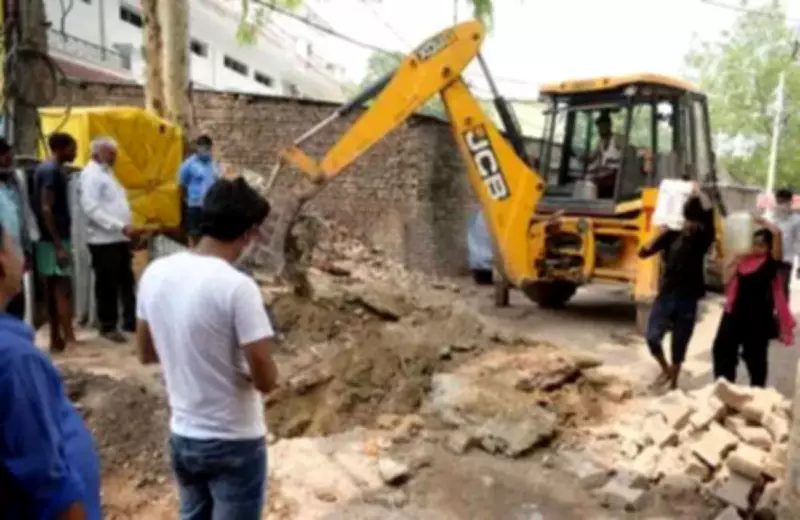
Puniani further explained that this leads to substantial losses for the government in terms of stamp duty, development charges, and other fees that would otherwise contribute to public revenue. Ultimately, buyers suffer from a severe lack of basic amenities and face future legal uncertainty or potential harassment. Sahib Chawla, a developer based in Model Town Extension, observed that many of these unauthorized colonies are being carved out openly and visibly. He noted that colonizers often secure quick profits and then vanish, leaving investors to face the consequences when enforcement agencies eventually arrive with JCB machines to address the violations.
Complications from Corruption and Legal Loopholes
Chawla also pointed out that corruption and legal loopholes sometimes allow for the registration of these illegal plots, further complicating the issue for innocent buyers who may be unaware of the risks. Developers collectively argued that these areas lack proper planning norms, resulting in narrow roads and zero green spaces, which eventually puts an unsustainable burden on civic infrastructure such as sewerage and water supply systems.
Calls for Strict Preventive Measures
To deter such practices, builders including Gagandeep Singh from Mundian have demanded regular inspections, consistent monitoring of land-use changes, and the imposition of heavy penalties on violators. They emphasized that without strict preventive monitoring to ensure only approved development takes place, the district will continue to face long-term urban challenges that negatively impact the government, legitimate builders, and citizens alike. The developers stress that proactive action is essential to safeguard urban planning, protect revenue, and prevent future hardships for all stakeholders involved.






