

Odisha Real Estate Authority to Learn from Neighbouring States for Faster Project Registration
The Odisha Real Estate Regulatory Authority (ORERA) has announced a significant initiative to enhance its operational efficiency by organizing exposure visits to three neighbouring states. The authority plans to visit Chhattisgarh, Andhra Pradesh, and Telangana to study and adopt the best practices implemented by these states in granting registration certificates to real estate projects promptly.
Addressing Delays Through Strategic Measures
This decision comes in response to widespread criticism over delays in issuing registration certificates, which are crucial documents that verify the authenticity and compliance of real estate projects. According to established regulations, ORERA is required to issue these certificates within 30 days of receiving an application. However, in numerous instances, the authority has taken more than 100 days to complete the process, causing significant inconvenience to developers and homebuyers alike.
To tackle this issue comprehensively, ORERA has also resolved to conduct regular weekly meetings with its officials who handle registration matters. These sessions will focus on deliberating and resolving pending issues swiftly, ensuring that registration certificates are granted within the mandated 30-day timeframe. The authority aims to streamline internal processes and eliminate bottlenecks that contribute to delays.

Technical and Procedural Enhancements
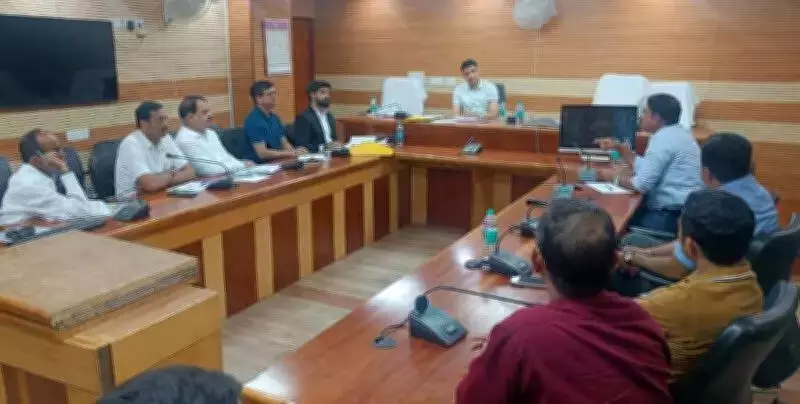
In addition to organizational changes, ORERA is set to implement several technical and procedural improvements. The minutes from a recent government-convened meeting, accessed by sources, reveal that the authority will address technical issues on its website expeditiously. Furthermore, ORERA plans to conduct periodic seminars and training programs for stakeholders, including developers and officials, to enhance understanding and compliance with regulations.
A notable proposal includes extending a pre-scrutiny facility to developers. This initiative is designed to help developers submit complete applications, thereby minimizing objections and reducing the time required for processing. By facilitating smoother submissions, ORERA hopes to accelerate the overall registration process and improve transparency.
Concerns Over Stakeholder Exclusion
Despite these proactive measures, the absence of representatives from resident welfare associations at the recent stakeholders' meeting has raised concerns. Real estate expert Bimalendu Pradhan expressed deep disappointment over ORERA's failure to invite homebuyers or their associations to the meeting. He emphasized that homebuyers constitute the majority and most affected stakeholders in the real estate sector.
Pradhan highlighted that there were explicit directions from the housing and urban development department to include all stakeholders in such discussions. Excluding homebuyers' input risks biased decision-making and increases the likelihood of future litigation, as their perspectives are essential for balanced and effective policy formulation.
Data Reveals Extent of Delays
An RTI response has shed light on the scale of the delay issue, revealing that as many as 72 projects did not receive registration certification within the stipulated 30-day timeline. Among these, 13 projects faced delays exceeding 100 days, underscoring the urgency of ORERA's reform efforts. An ORERA member commented on the situation, stating, "We were appointing experts and coming up with regulations to streamline the registration process of projects."
The authority's multifaceted approach, combining exposure visits, internal meetings, technical upgrades, and stakeholder engagement, reflects a concerted effort to restore confidence in Odisha's real estate regulatory framework. By learning from successful models in neighbouring states and addressing systemic inefficiencies, ORERA aims to foster a more responsive and efficient environment for real estate development and investment in the region.






