Real Estate 2026: A Paradigm Shift in Home Buying Priorities
The real estate landscape in 2026 is undergoing a profound transformation, as buyers' mindsets evolve beyond traditional factors like affordability and location. Today, purchasing a property is increasingly driven by how well it aligns with individual lifestyles, offering flexibility, comfort, and holistic well-being. This change has sparked a significant discussion comparing independent floors and high-rise apartments, with modern buyers carefully evaluating which option better suits their personal and professional needs.
High-Rise Apartments: Urban Convenience and Investment Appeal
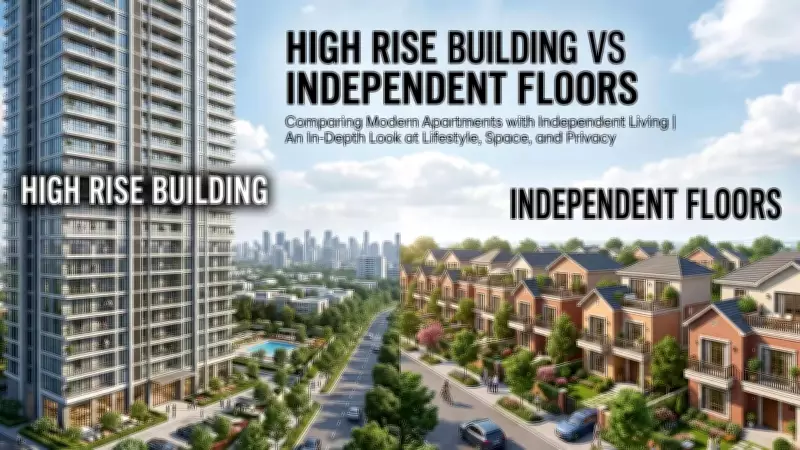
High-rise apartments continue to dominate city skylines, thanks to their numerous advantages. These self-contained communities often feature amenities such as gyms, clubhouses, landscaped gardens, and advanced security systems, making them ideal for nuclear families and young professionals. Financially, apartments can be more cost-effective initially, requiring a lower upfront investment compared to independent floors.
One key benefit is the "lock and leave" convenience, appealing to busy individuals who prefer minimal home management. This makes high-rises a practical choice for those with nomadic lifestyles or demanding careers. From an investment perspective, high-rise properties are highly profitable, especially in areas with concentrated business and employment hubs, where rental demand remains strong. Standardized layouts and pricing also facilitate easier resale.

However, potential downsides include rising maintenance costs and shared common areas that may not always justify the expenses. Despite these challenges, high-rises remain a popular option for those seeking accessibility and community living.
Independent Floors: Ownership, Privacy, and Customization
In contrast, independent floors emphasize ownership, autonomy, and privacy. Buyers often gain not only interior space but also some land ownership around the structure, enhancing control over their property. Privacy is a major differentiator, as independent floors typically have fewer residents per floor, reducing noise and congestion compared to high-rise buildings with thin walls and common passageways.
Flexibility is another standout advantage. Independent floors allow for extensive customization, enabling owners to modify spaces for home offices, play areas, or storage according to their needs. This adaptability is increasingly valuable in today's dynamic living environments.
Space and Lifestyle Flexibility in the Hybrid Work Era
The rise of hybrid and remote work over recent years has reshaped home buyer expectations. Modern properties must accommodate work, leisure, hobbies, and socializing within a single space. Independent floors, with their larger floor areas and design flexibility, are well-suited to these demands, allowing for separate zones for different activities.
High-rise apartments, while convenient, often have fixed designs that limit such customization. As remote work becomes more common, the ability to tailor living spaces is crucial, making independent floors an attractive option for many.
Balancing Value, Price, and Lifestyle Needs
When assessing value, each housing type offers unique benefits. High-rises excel in investment potential due to high rental demand and ease of resale. Independent floors, however, appeal to those prioritizing quality of life, privacy, and control over their home environment. Owners can customize maintenance and costs based on personal preferences, adding to the appeal.
Modern developers are innovating with independent floor designs, incorporating efficiency, contemporary aesthetics, and smart planning to attract buyers. In 2026, value in real estate is being redefined to encompass not just price and location, but also the quality of life a property provides. While high-rises offer comfort and convenience, independent floors are gaining traction for their adaptability and privacy.
This evolving market encourages buyers to make smarter decisions based on a holistic assessment of their lifestyle requirements, financial goals, and long-term aspirations.