

The Rise of India's Non-Metro Real Estate Markets
India's real estate landscape is undergoing a significant transformation, with growth no longer confined to major metropolitan areas. Tier-2 and Tier-3 cities are emerging as powerful hubs of development, attracting both homebuyers and investors. This shift is driven by a combination of economic, infrastructural, and social factors that make these cities increasingly viable alternatives to traditional metros.
1. Enhanced Infrastructure and Connectivity
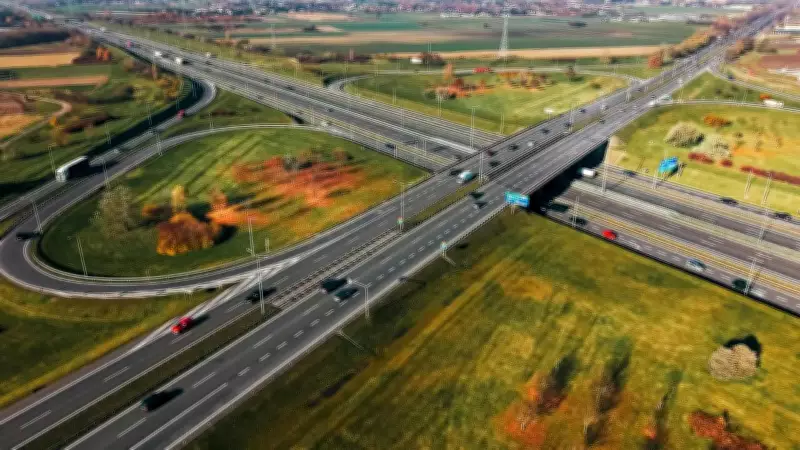
A primary catalyst for real estate growth in non-metro cities is the substantial improvement in physical infrastructure. New road networks, expanded transport corridors, and comprehensive urban upgrades are making these cities more accessible and livable. Better city planning and development initiatives are creating environments that support both residential comfort and commercial viability, encouraging investment and migration.
2. Affordable Property Prices and Living Costs
Affordability remains a cornerstone of the appeal of Tier-2 and Tier-3 cities. Compared to Tier-1 metropolitan areas, these cities offer significantly lower property prices and overall cost of living. This economic advantage broadens the buyer base, making homeownership achievable for first-time buyers and families. Investors are drawn to the opportunity to enter markets at lower price points, anticipating substantial appreciation as these cities develop.

3. Job Creation and Business Expansion
Employment opportunities are expanding rapidly in smaller cities, driving housing demand. Micro, Small, and Medium Enterprises (MSMEs) are flourishing in Tier-2 and Tier-3 regions, generating jobs across manufacturing, information technology, and operational services. Additionally, Global Capability Centres (GCCs) are establishing presences in emerging Indian cities, bringing professionals and boosting commercial activity. This economic diversification supports sustained real estate growth.
4. Government Support and Policy Initiatives
Public policy plays a crucial role in fostering real estate development in non-metro cities. Key initiatives include:
- The Smart Cities Mission, which aims to enhance urban infrastructure in 100 non-metropolitan cities.
- The Urban Infrastructure Development Fund, providing financial support for infrastructure projects in Tier-2 and Tier-3 urban areas.
These programs improve livability and create a stable environment for real estate investment, encouraging both residential and commercial development.
5. Digital Infrastructure and Remote Work Culture
The digital revolution has reshaped residential preferences, enabling professionals to work from virtually anywhere. Improved digital infrastructure, including broadband and telecom services, supports reverse migration to hometowns and smaller cities. This trend sustains real estate demand in non-metro markets, as individuals can pursue career opportunities without relocating to expensive metropolitan centers. The growing acceptance of remote work further amplifies this effect.
6. Growth in Suburban and Peri-Urban Areas
Real estate demand is extending beyond traditional city limits into suburban and peri-urban belts. These areas are becoming important nodes for residential, industrial, and logistics activity. The expansion into urban fringes opens new markets for housing and commercial projects, providing additional growth avenues around non-metro cities. This spatial diversification helps manage urban sprawl while creating investment opportunities.
7. Strong Long-Term Investment Potential
The movement into emerging cities represents a structural shift in India's real estate sector, not merely a temporary trend. Factors such as rising housing demand, rapid urbanization, and increasing office space requirements in Tier-2 and Tier-3 markets collectively strengthen these regions as real estate hubs. This convergence of drivers supports sustained growth and long-term value creation, offering attractive prospects for investors and developers alike.

Conclusion: A Distributed and Inclusive Growth Model
The ascent of India's non-metro cities illustrates a more distributed and inclusive pattern of real estate growth. These markets are evolving from alternatives to metros into independent growth centers. With ongoing improvements in connectivity, rising employment opportunities, and continued policy support, their role in India's property future is poised to expand further. This transformation underscores the dynamic nature of India's urban development and the evolving preferences of its population.





