

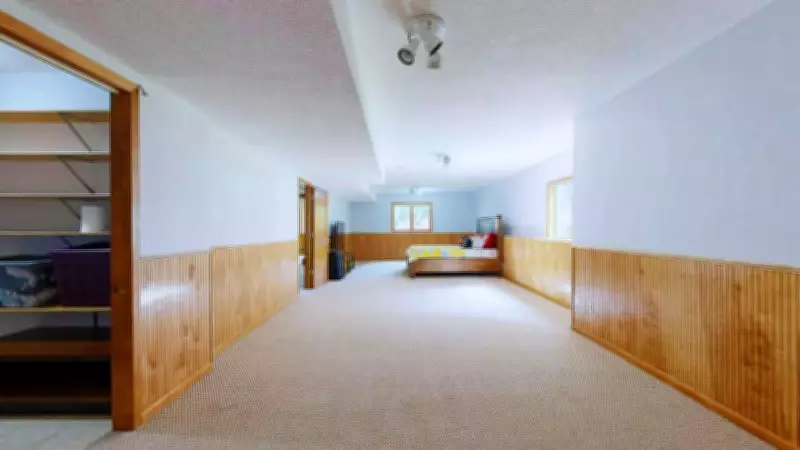
RERA's Carpet Area Revolution: Transforming India's Real Estate Landscape
In the dynamic world of India's real estate market, the term "carpet area" has emerged as a crucial concept that every prospective homeowner must understand thoroughly. This terminology gained unprecedented significance and legal clarity following the implementation of the landmark Real Estate (Regulation and Development) Act, 2016, commonly known as RERA. Before this transformative legislation, the Indian property sector operated without a standardized legal definition for carpet area, allowing builders and developers to employ varying calculation methods that often confused and disadvantaged buyers.
The Legal Definition: Understanding Carpet Area Under RERA
According to Section 2(k) of the RERA Act, 2016, carpet area specifically means "the net usable floor area of an apartment, excluding the area covered by the external walls, areas under service shafts, exclusive balcony or verandah area, and exclusive open terrace area, but includes the area covered by the internal partition walls of the apartment." In simpler terms, carpet area represents the actual, practical living space within a residential unit where occupants can spread carpets and conduct daily activities. This measurement focuses exclusively on the true habitable area, deliberately omitting all outdoor attachments and spaces that homeowners cannot utilize for regular living purposes.
The Pre-RERA Scenario: Why Standardization Became Essential
Before RERA's implementation in 2016, India's real estate industry frequently witnessed builders promoting properties based on super built-up areas and other inflated measurements that incorporated common spaces and unusable areas. This practice created substantial confusion among homebuyers, often leading to disputes, misunderstandings, and financial discrepancies. The absence of uniform measurement standards meant buyers couldn't accurately compare properties or understand exactly what they were purchasing. RERA's intervention provided an absolute, legally-binding definition that revolutionized this aspect of property transactions.

Key Benefits of RERA's Carpet Area Definition
The standardization brought by RERA offers multiple advantages to homebuyers and the real estate ecosystem:
- Buyers now receive precise information about the actual usable space they're purchasing, eliminating exaggerated figures and misleading representations
- Property comparisons between different developments have become fair, transparent, and meaningful
- The RERA Act mandates builders to clearly disclose carpet area measurements in all sale agreements and promotional materials
- Homebuyers gain protection from confusing calculations that could lead to unfair pricing practices
What's Included in Carpet Area: The Complete Breakdown
The RERA-defined carpet area encompasses all net usable floor space designated for daily living activities, including:
- Living rooms and dining areas
- All bedrooms within the apartment
- Kitchen spaces
- Bathrooms and toilet facilities
- Utility rooms and storage areas
- Internal passages and corridors within the apartment unit
- Area covered by internal partition walls dividing rooms
The inclusion of internal partition walls represents a particularly important standardization aspect, as different builders previously measured these walls inconsistently or omitted them entirely from calculations.
What's Excluded from Carpet Area: Understanding the Boundaries
RERA's definition explicitly excludes several areas from carpet area calculations:

- External Walls: The outer boundary walls of the apartment are excluded since they don't contribute to usable living space
- Balconies, Verandahs, and Terraces: All outdoor spaces, regardless of whether they're exclusive to the apartment, are not included in carpet area
- Service Areas: Spaces designated for ducts, plumbing, electrical wiring, and other utility installations are excluded
- Common Areas: Shared facilities such as lobbies, corridors, staircases, elevators, and common utility spaces do not count toward individual apartment carpet areas
The Transformative Impact on India's Real Estate Sector
RERA's precise definition of carpet area has fundamentally transformed India's real estate market by introducing unprecedented transparency and standardization. By legally defining this crucial term, the legislation empowers homebuyers with clear, accurate information about their potential investments. This clarity helps prevent misleading area calculations that previously led to unfair pricing and buyer dissatisfaction. The standardization also facilitates more informed decision-making, enables fair market comparisons, and contributes to the overall professionalization of India's real estate industry. As the market continues to evolve, RERA's carpet area definition remains a cornerstone of consumer protection and transparent business practices in property transactions across the country.





