Rail Land Development Authority Initiates Major Land Lease in Bengaluru for Residential Project
In a strategic move aimed at boosting revenue streams, the Rail Land Development Authority (RLDA) has announced plans to lease out a substantial 34,517 square meters of railway land located within the Yeshwantpur railway colony in Bengaluru. According to the official request for proposal released by RLDA, this prime land parcel will be leased for an extensive period of 99 years, specifically earmarked for residential development through the construction of apartment complexes.
Project Details and Financial Framework
The ambitious project, with an estimated cost of Rs 119 crore, involves a dual-purpose redevelopment initiative. The same developer selected for the lease will undertake the comprehensive redevelopment of the railway colony, which is under the jurisdiction of the Bengaluru division of South Western Railway (SWR). This colony currently houses 316 quarters dedicated to railway employees. The revenue generated from the sale of private apartments will be shared between the developer and RLDA, creating a collaborative financial model.
A senior RLDA official clarified the arrangement, stating, "Both the existing railway quarters and the new private apartments will coexist on the site. The 316 quarters will be redeveloped exclusively for our staff use, while the private units will be available for public sale." This approach aims to modernize housing facilities for employees while tapping into the lucrative real estate market.

Deadline and Bidding Process
Interested parties have been given a strict deadline of March 18 to submit their e-bids for the project. This timeline underscores RLDA's urgency in moving forward with the lease agreement to expedite revenue generation and infrastructure upgrades.
Expert Criticism and Alternative Suggestions
Despite the revenue potential, the decision has sparked debate among railway experts. Sanjeev Dyamanavar, a noted railway expert, argued that the Yeshwantpur land should be prioritized for rail-related infrastructure rather than commercial leasing. "Instead of allocating land for residential purposes, there are more beneficial uses such as constructing additional loco sheds or extra loop lines to manage high traffic volumes, which would directly enhance railway operations and efficiency," he emphasized. This perspective highlights ongoing concerns about balancing commercial interests with core railway development needs.
Parallel Development: Tree Felling at Sir M Visveswaraya Terminal
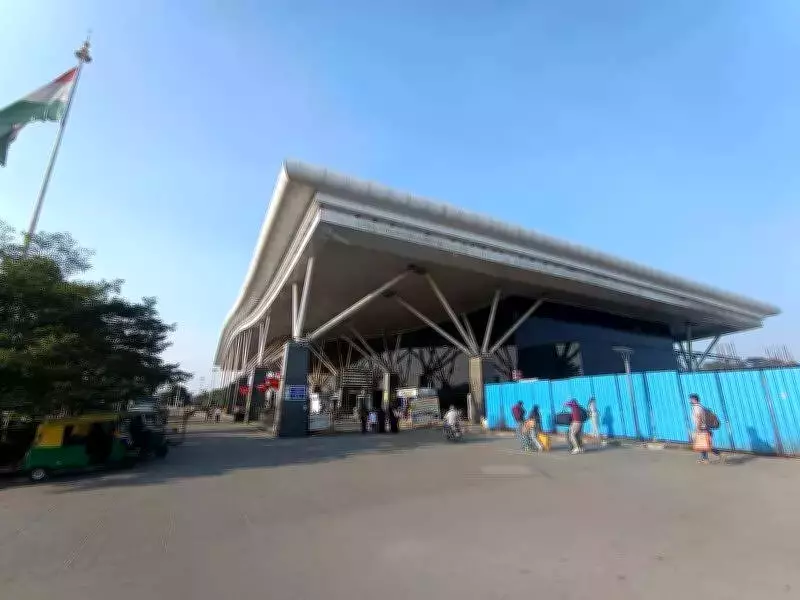
In a related infrastructure update, the expansion project at Sir M Visveswaraya Terminal (SMVT) in Byappanahalli involves the removal of 169 trees from its premises. The Greater Bengaluru Authority (GBA) has issued a public notice indicating that these trees will be felled to facilitate the laying of a sick line, a dedicated track valued at Rs 68 crore used for the repair, maintenance, and overhauling of coaches and wagons not in active service.
The planned sick line at SMVT is designed to accommodate non-modified goods and passenger coaches, aiming to improve maintenance capabilities. GBA has proactively uploaded details of the affected trees on its website, providing a 10-day window from Sunday for public objections. Feedback can be submitted via email or post to the deputy conservator of forests and tree officer at GBA, ensuring transparency in the environmental impact assessment process.
Broader Implications for Bengaluru's Urban Landscape
These developments reflect broader trends in Bengaluru's urban planning, where railway authorities are increasingly leveraging land assets for revenue while facing scrutiny over optimal land use. The Yeshwantpur lease and SMVT expansion underscore the complex interplay between infrastructure development, environmental considerations, and economic strategies in one of India's fastest-growing metropolitan areas.