

Your Home: More Than Just Shelter
Buying a house stands as one of life's most significant decisions. It provides protection from the elements while symbolizing stability, safety, and freedom. For many families, their home serves as a secure financial asset. It represents an investment that appreciates over time and offers support during difficult periods.
Homes carry deep emotional weight too. They hold cherished memories, host important life events, and foster a genuine sense of belonging. This dual nature makes home ownership both an emotional journey and a serious financial commitment.
The Overlooked Importance of Resale Value
Many homeowners initially underestimate how crucial resale value becomes. Even if selling seems distant, today's choices about maintenance, upgrades, and daily habits directly impact your home's future worth. The encouraging news: you don't need costly renovations to enhance value. Small, thoughtful changes combined with regular upkeep can create substantial effects.

First Impressions Matter Greatly
The resale process begins before potential buyers even step inside. Your home's exterior establishes the initial impression. A well-maintained entrance signals quality care, while a neglected one suggests otherwise. Simple improvements like repainting the front door, repairing walkways, trimming overgrown plants, and ensuring proper outdoor lighting dramatically enhance street appeal.
Inside, order and cleanliness prove essential. Uncluttered rooms appear larger, brighter, and more inviting. Regular decluttering, even years before selling, helps preserve surfaces, floors, and fixtures. Homes that feel calm and well-cared-for naturally attract buyers.
Fresh Paint: A Quiet Value Booster
Repainting walls with light, neutral colors ranks among the most cost-effective home improvements. Over time, walls accumulate stains, scuffs, and fading that subtly age your space. A fresh coat of paint instantly makes a home feel newer and better maintained. Neutral colors allow buyers to envision their own lives in your space. While bold colors express personal style, they may complicate future sales. If full repainting isn't possible, touching up high-traffic areas like kitchens, living rooms, and hallways still makes noticeable differences.
Kitchens and Bathrooms: Deal Makers or Breakers
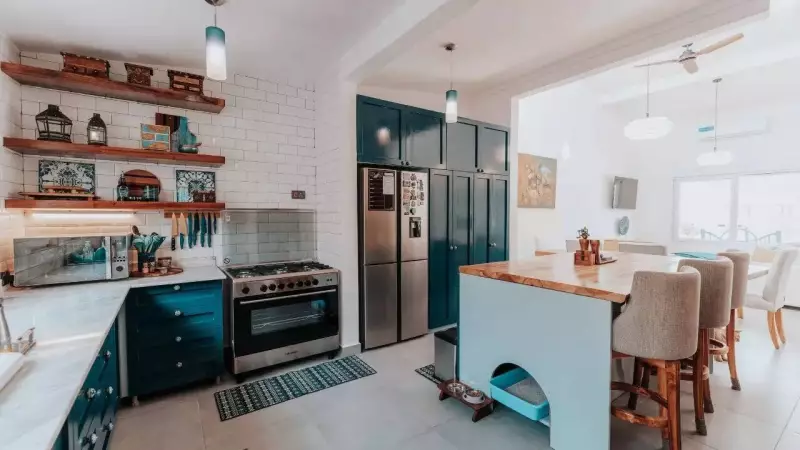
Kitchens and bathrooms significantly influence buying decisions. Fortunately, they rarely require complete overhauls. Small modifications create substantial perceptual shifts. Replacing outdated cabinet handles, fixing loose shutters, upgrading faucets, and improving lighting can modernize a kitchen without major expense. Buyers gain confidence from clean countertops, organized storage, and functional appliances.
In bathrooms, regrouting tiles, replacing broken fixtures, fixing leaks, and ensuring proper ventilation yield impressive results. A clean, functional bathroom positively influences perceptions of the entire house.
Regular Maintenance Preserves Long-Term Value
Homes don't need luxury features to lose resale value; neglect alone causes depreciation. Buyers mentally tally minor issues like dripping faucets, cracked tiles, peeling paint, or faulty switches. These problems trigger concerns about future expenses and reduce perceived worth. Developing timely repair habits maintains both aesthetics and structural integrity.
Regular plumbing, electrical, and waterproofing maintenance prevents costly future damage. Buyers show greater trust and willingness to pay premium prices for homes with documented maintenance histories.
Flooring and Lighting Create Immediate Impact
Floors endure the most wear. You can rejuvenate a home's feel without complete replacement through tile polishing, wooden floor restoration, or professional carpet cleaning. Even minor repairs like fixing broken tiles or loose skirting boards make significant differences.
Lighting receives insufficient consideration. Well-lit homes appear larger, cozier, and more welcoming. Replacing outdated fixtures, adding energy-efficient lighting, and maximizing natural light through clean windows and light curtains enhance both ambiance and perceived value.

Storage and Layout Influence Buyer Perception
Homebuyers typically seek both beauty and functionality. Smart storage solutions like built-in wardrobes, organized kitchen cabinets, and efficient utility spaces increase usefulness and appeal. Avoid structural changes that reduce flexibility whenever possible. Open, adaptable layouts tend to endure longer and attract more buyers. Easily customizable homes generally maintain better value over time.
Energy Efficiency Becomes a Genuine Selling Point
As utility costs rise, buyers pay closer attention to energy efficiency. Installing LED lighting, adding better insulation, sealing windows, and choosing energy-saving appliances all enhance buyer appeal. Even modest improvements demonstrate potential future savings, a consideration for many purchasers. Energy-efficient homes often appear modern, responsible, and forward-thinking.
Good Habits Create Invisible Value
Beyond physical upgrades, daily habits contribute significantly. Organized paperwork including property documents, warranties, renovation bills, and society approvals builds trust during sales. Customers appreciate transparency. Thinking like an owner rather than a temporary occupant gradually increases home value over time. Often, cleanliness, care, and consistency outweigh fancy finishes.
A Home That Grows With You Holds Greater Worth
Increasing home value isn't about chasing trends or purchasing luxury items. It relates to how you value your ownership. A well-maintained, gently improved, and responsibly used home tells a compelling story to potential buyers. Ultimately, the best homes aren't necessarily the largest or most expensive. They're the homes that feel secure, functional, and well-cared-for, just as they did when their owners first moved in.





