Temple Towns Emerge as Prime Real Estate Destinations Across India
Property developers are actively seeking land acquisitions in prominent temple towns across Uttar Pradesh, Rajasthan, Madhya Pradesh, and southern states, capitalizing on the surging demand for real estate driven by the government's focused promotion of religious tourism. This strategic shift represents a significant departure from traditional metropolitan markets, as developers recognize the untapped potential in these spiritual hubs.
Government Initiatives Fueling Infrastructure Development
The growth in religious tourism has consistently outpaced overall domestic travel across multiple states in recent years, providing developers with increased confidence in these emerging markets. Government-led initiatives to enhance connectivity and infrastructure are serving as powerful catalysts, encouraging real estate investment beyond conventional urban centers.
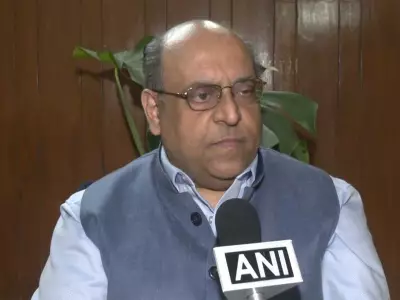
"Government initiatives to improve connectivity and infrastructure are acting as major catalysts and prompting developers to look beyond traditional metros toward temple towns," emphasized Anshuman Magazine, chairman and CEO for India, Southeast Asia, Middle East and Africa at property consultancy CBRE. "We expect sustained visitor growth across key such towns over the next few years. By 2030, we anticipate the development of over 9,000 new hotel rooms in these destinations."

Beyond Hospitality: Diversified Real Estate Opportunities
The anticipated boom extends well beyond the hospitality sector alone. Industry analysts project that the expansion of religious tourism will generate substantial opportunities across multiple real estate segments, including:
- Branded accommodations and luxury stays
- Retail high streets and commercial spaces
- Warehousing facilities for supply chain logistics
- Plotted residential developments catering to both end-users and investors
"Over the past two to three years, we have witnessed a clear structural shift in demand across spiritual cities," observed Mohit Goel, managing director of Omaxe. "Earlier, activity was largely sentiment-driven and seasonal. Today, it is backed by sustained tourist inflows, improved infrastructure and stronger civic upgrades."
State and National Investment Creating Momentum
The Uttar Pradesh budget for fiscal year 2027 proposes significant allocations, including Rs 150 crore specifically for tourism infrastructure development in Ayodhya and Rs 500 crore under the Chief Minister Tourism Places Development Scheme. Cities such as Ayodhya, Vrindavan, and Prayagraj are already experiencing steady traction across retail spaces, hospitality-linked developments, and plotted residential projects.
"Sustained public investment and planning-led interventions have repositioned these cities from seasonal destinations to emerging economic nodes," stated Uddhav Poddar, CMD of Bhumika Group. "Importantly, demand within these cities is diversified. It includes primary homebuyers, second-home investors, hospitality-linked rental participants and organised developers building integrated commercial ecosystems within city limits."
At the national level, the Union government is implementing a comprehensive strategy to develop 50 top tourist destinations through collaborative partnerships with states, employing a challenge mode approach to ensure world-class facilities and enhanced connectivity.
Regional Growth and Structural Transformation
"Spiritual and heritage tourism is becoming a strong structural growth driver across Rajasthan," noted Amrita Gupta, director of Manglam Group. "Improved connectivity and tourism promotion are supporting steady, year-round footfall, which is positively impacting hospitality and real estate in tier-2 and tier-3 markets. This momentum is encouraging local hospitality players to upgrade service standards and invest in more organised guest experiences."

The fiscal year 2026 Union budget allocated Rs 2,541.06 crore specifically for tourism infrastructure, skill development, and travel facilitation. For fiscal year 2027, the government has proposed a substantial Rs 20,000 crore for infrastructure development in smaller cities, including numerous temple towns.
Emerging Spiritual Economies and Integrated Development
"The demand for spiritual tourism has seen a clear spurt, buoyed by the government's renewed focus on developing these destinations," explained Kush Kapoor, CEO of Roseate Hotels and Resorts. "Cities such as Ayodhya, Varanasi and Vrindavan are emerging as strong growth markets not only for hospitality but also for second homes and lifestyle-led developments."
Industry experts emphasize that mixed-use developments, improved last-mile connectivity, and thoughtfully designed public spaces can significantly enhance the pilgrim experience while simultaneously supporting long-term livability for residents.
"What we are witnessing is the emergence of spiritual economies, where infrastructure, hospitality, mobility and public spaces evolve together to support both pilgrims and residents," described Dikshu C Kukreja, managing principal at CP Kukreja Architects. "This creates a new kind of real estate opportunity, one that extends beyond conventional residential or commercial typologies."
The convergence of government investment, improved infrastructure, and growing tourist numbers is transforming temple towns into vibrant real estate markets, offering diverse opportunities across hospitality, residential, and commercial sectors while supporting regional economic development.