

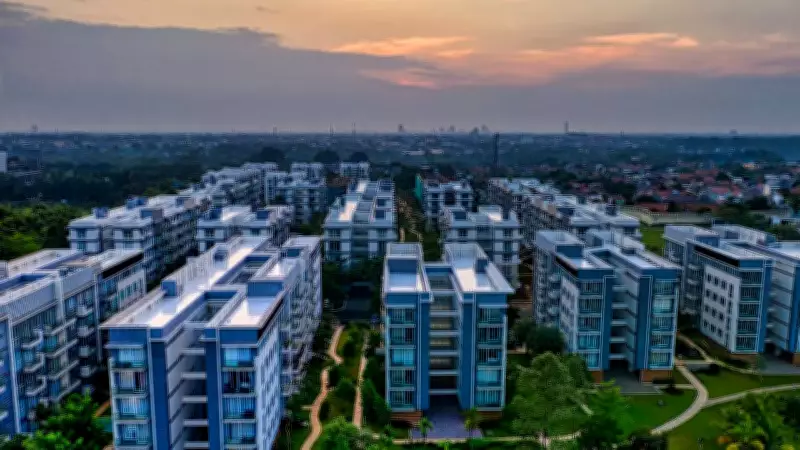
India's Real Estate Revolution: Powered by IT Hubs
The symbiotic relationship between India's Information Technology sector and its real estate industry has become a cornerstone of urban economic development. As technologically advanced ecosystems flourish, they attract a steady influx of professionals seeking employment, thereby catalyzing unprecedented demand for housing, rental properties, and large-scale infrastructure initiatives. This dynamic interplay ensures sustained growth within the real estate sectors of these metropolitan centers, reshaping skylines and community landscapes alike.
1. Bengaluru: The Silicon Valley of India
Bengaluru firmly holds its position as the nation's premier IT hub, profoundly influencing real estate trends across the region. Key localities such as Whitefield and Electronic City have emerged as magnets for tech professionals, generating intense competition for residential and commercial spaces. The city's vibrant startup culture, coupled with ongoing expansions in metro rail connectivity and consistent job creation, has driven property values to remarkable heights. This environment fosters a robust real estate market characterized by innovation and high investment returns.
2. Hyderabad: The Rising Tech Powerhouse
Hyderabad has rapidly ascended as a formidable IT destination, with areas like HITEC City and Gachibowli spearheading demand for premium properties. Offering relatively affordable property rates compared to giants like Bengaluru and Mumbai, Hyderabad attracts a diverse pool of buyers and investors. The city's strategic advantages include:

- World-class infrastructure supporting seamless urban living
- A strong presence of global technology corporations
- Continuous development of specialized IT zones
These factors collectively ensure a steady upward trajectory in real estate valuations and market activity.
3. Pune: The Educational and IT Nexus
Pune's transformation into a real estate hotspot is largely attributed to its thriving IT corridors, notably Hinjewadi and Kharadi. The city benefits from a rich talent pool fed by prestigious educational institutions and a growing network of Global Capability Centres. Infrastructure enhancements, including metro rail projects and ring road expansions, further bolster Pune's appeal as a prime investment destination. The consistent demand for housing from professionals and students alike sustains a dynamic and resilient property market.
4. Gurugram: The Corporate Epicenter of North India
Gurugram stands as a beacon of corporate and IT excellence in northern India, with landmarks like Cyber City drawing multinational enterprises. Its strategic proximity to Delhi, combined with superior infrastructure and luxury residential developments, has fueled substantial real estate growth. The city's market is characterized by:
- High-end commercial spaces catering to international firms
- Upscale residential communities offering modern amenities
- Sustained investor confidence driven by economic stability
This blend of factors ensures Gurugram's continued prominence in the national real estate arena.
5. Chennai: The Steady Performer with Diverse Strengths
Chennai's real estate landscape is significantly shaped by its IT corridor along Old Mahabalipuram Road (OMR). The city is renowned for its balanced growth, supported not only by the IT sector but also by robust manufacturing and healthcare industries. Key attributes include:
- Assured job creation providing a stable tenant and buyer base
- Affordable housing options compared to other metropolitan hubs
- A reputation for secure and relatively stable investment opportunities
This multifaceted economic foundation makes Chennai a reliable market for long-term real estate engagements.

The Future Outlook: IT Clusters as Real Estate Catalysts
IT clusters across India are poised to remain pivotal drivers of real estate dynamics through continuous job generation and migration patterns. Cities like Bengaluru, Hyderabad, Pune, Gurugram, and Chennai exemplify how technological sectors can spur comprehensive urban development. As these hubs evolve, they will likely foster further innovations in property development, sustainable living solutions, and community infrastructure. The enduring trend underscores the transformative power of IT in shaping not just economies, but the very fabric of urban life in India.





