Vedaanta Senior Living Unveils Major South India Expansion Plan
Chennai-based Vedaanta Senior Living has announced a significant investment plan to expand its footprint across South India. The company will invest between Rs 400 crore and Rs 500 crore over the next four years to develop new senior living communities in key southern cities.
Target Cities and Project Pipeline
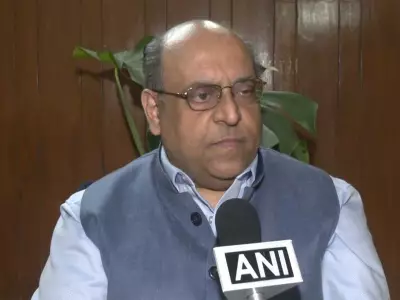
The expansion strategy includes new projects in Chennai, Hyderabad, Thiruvananthapuram, and Trichy, all of which are currently in the pipeline. Rahul Sabharwal, co-founder and director of Vedaanta Senior Living, revealed that Rs 50 crore of this investment is specifically earmarked for a new project coming up in Chengalpet, near Chennai.
"The senior living residential projects have traction mainly in the southern and western markets," Sabharwal stated during a press briefing in Chennai on Friday. He emphasized the company's focus on these regions due to strong demand and market potential.

Current Operations and Future Growth
Vedaanta Senior Living currently operates 11 active communities and has another 12 communities in various stages of development. The company manages approximately 700 units at present and plans to add about 1,000 more units through this expansion initiative.
This growth is part of a broader trend in the senior living sector. Sabharwal highlighted the significant gap between supply and demand, noting that while the annual supply in the senior living residential vertical is around 25,000 units, demand is projected to surge to four lakh to five lakh units over the next few years.
Market Dynamics and Strategic Focus
The expansion reflects Vedaanta's confidence in the growing senior living market in India, particularly in the southern states. The company's strategy aligns with increasing urbanization, changing demographics, and rising demand for specialized residential options for seniors.
With this investment, Vedaanta aims to capitalize on the underserved market, offering premium senior living facilities that cater to the needs of India's aging population. The move is expected to create new employment opportunities and contribute to the real estate development in the targeted cities.