

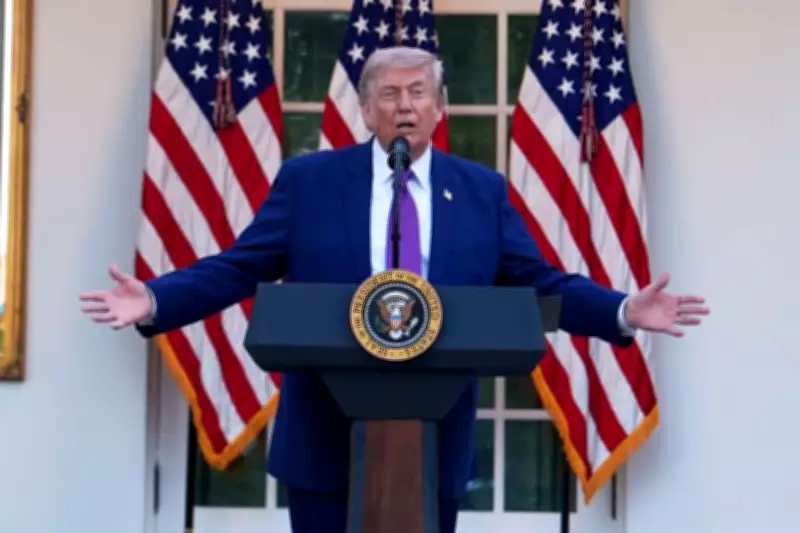
The Trump administration has announced a significant easing of restrictions on mining activities on federally owned lands, a move designed to bolster the domestic mining industry and secure a stable supply of critical minerals. The policy shift, unveiled on Tuesday, aims to reduce bureaucratic hurdles and accelerate the extraction of minerals such as lithium, cobalt, and rare earth elements, which are essential for manufacturing batteries, electronics, and defense systems.
Key Changes in Mining Regulations
The revised rules streamline the permitting process for mining companies, cutting down approval times and reducing environmental review requirements. Under the new framework, mining projects on public lands will face fewer obstacles, allowing for faster development and expansion. The administration argues that these changes are necessary to compete with China, which dominates the global supply chain for critical minerals.
Impact on Domestic Production
Industry leaders have welcomed the deregulation, stating that it will unlock vast mineral resources in states like Nevada, Montana, and Alaska. The move is expected to create thousands of jobs and reduce the United States' dependence on foreign suppliers. However, environmental groups have criticized the decision, warning that it could lead to habitat destruction, water pollution, and increased carbon emissions.

The administration's decision aligns with its broader agenda of energy dominance and economic growth. By easing curbs on mining, the government hopes to attract investment, stimulate local economies, and strengthen national security. The policy also includes incentives for companies to adopt cleaner technologies and rehabilitate mined areas, but critics argue that enforcement mechanisms are weak.
This development marks a notable shift from the previous administration's approach, which prioritized environmental protection over resource extraction. The current policy emphasizes the strategic importance of domestic mineral production in an era of geopolitical tensions and supply chain vulnerabilities.






