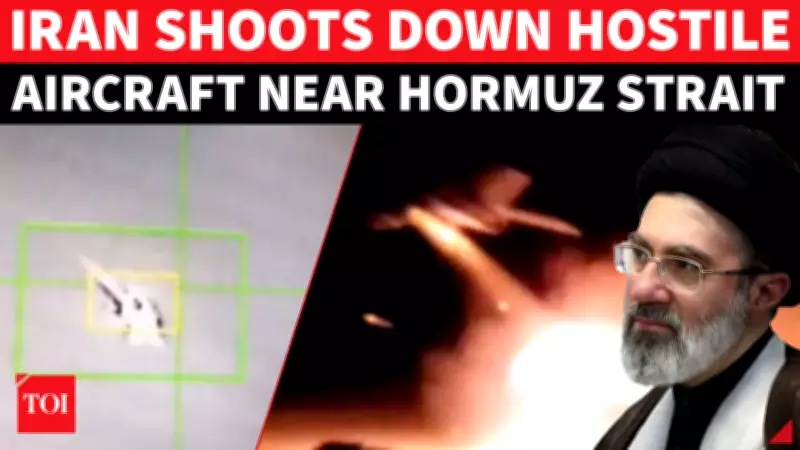
Iran has reported that its air defense systems successfully confronted multiple reconnaissance drones near the strategic Strait of Hormuz, according to state media. The incident occurred over Qeshm Island in the Hormozgan province, where loud sounds were heard, prompting officials to clarify that these were defensive actions against aerial threats rather than explosions or damage.
Details of the Interception
Local authorities in Hormozgan province confirmed that the air defense units engaged unidentified drones that entered Iranian airspace near the Strait of Hormuz, a critical waterway for global oil shipments. The drones were described as surveillance aircraft, and no casualties or property damage were reported. Iran's military has repeatedly demonstrated its capability to intercept such threats, with this being the latest in a series of similar incidents over recent weeks.
Context of Rising Tensions
The interception comes amid heightened tensions between Iran and the United States, despite a reported ceasefire understanding between the two nations. Earlier incidents include drone interceptions over Tehran and other strategic locations, underscoring the fragile nature of the current geopolitical climate. Iran has reinforced its readiness to counter surveillance activity and protect its airspace, viewing such incursions as violations of its sovereignty.

Strategic Importance of the Strait of Hormuz
The Strait of Hormuz is a vital chokepoint for global energy supplies, with about 20% of the world's oil passing through it. Any disruption in the region can have significant impacts on global markets. Iran's air defense actions are part of its broader strategy to maintain control over its territorial waters and airspace, especially given the ongoing standoff with the United States over nuclear and regional issues.
Recent Incidents and Ceasefire Understanding
This incident follows multiple reported drone interceptions in recent weeks, including over the capital Tehran. Despite a ceasefire understanding with the United States, both sides have continued to engage in provocative actions. The United States has maintained a military presence in the region, while Iran has conducted military exercises and showcased its missile capabilities.
International Reactions
The international community has expressed concern over the escalating tensions. The United Nations has called for restraint from both sides, emphasizing the need for de-escalation to prevent a broader conflict. Meanwhile, regional powers such as Saudi Arabia and the United Arab Emirates have urged dialogue to ensure stability in the Gulf region.
Conclusion
The downing of surveillance drones near the Strait of Hormuz highlights the ongoing aerial tensions in the region. Iran's military remains on high alert, ready to counter any perceived threats to its national security. As geopolitical conditions remain fragile, the risk of miscalculation persists, making diplomatic efforts crucial to avoid further escalation.