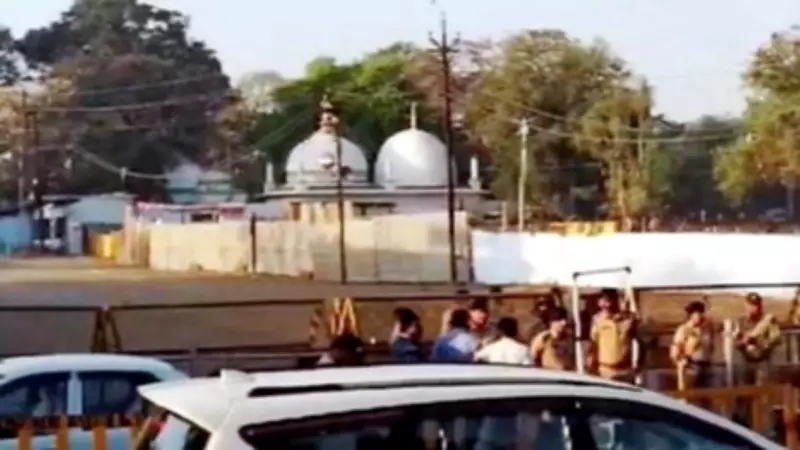
The ongoing dispute over the Bhojshala complex in Dhar, Madhya Pradesh, has escalated as the Muslim side officially rejected the Archaeological Survey of India's (ASI) report, calling it 'biased' and asserting that its findings have no legal validity. The contested site, which is protected by the ASI, holds significant religious importance for both communities. The Hindu community considers it a temple dedicated to Goddess Saraswati, while the Muslim side identifies it as the Kamal Maula Mosque.
Background of the Controversy
The Bhojshala complex has been a source of contention for decades, with both communities claiming exclusive rights to worship at the site. The ASI, which has been tasked with maintaining the monument, recently submitted a report that the Muslim side claims is one-sided and disregards historical evidence supporting their claims. The report, according to the Muslim representatives, lacks objectivity and fails to consider alternative interpretations of the site's history.
Reactions from the Muslim Side
Leaders of the Muslim community have expressed strong disapproval of the ASI's findings. They argue that the report was prepared without proper consultation and ignores the centuries-old presence of the mosque. 'The ASI report is biased and has no legal standing,' stated a spokesperson for the Muslim side. 'We will challenge it through appropriate legal channels and demand a fresh, impartial investigation.'

Hindu Perspective
On the other hand, the Hindu community has welcomed the ASI report, viewing it as a step towards reclaiming what they believe is their ancient temple. They have long maintained that the structure was originally a temple dedicated to Goddess Saraswati, built by the legendary King Bhoja. The report, they argue, confirms their historical claims and provides a basis for further legal action.
Legal and Political Implications
The dispute has drawn attention from political parties and legal experts across the country. The ASI's role as the custodian of the site has been questioned, with some calling for a more transparent process. The matter is expected to be taken up in court, where both sides will present their evidence. The outcome could set a precedent for similar disputes involving religious sites in India.
As the controversy continues, the ASI has maintained that its report is based on thorough research and scientific analysis. However, the Muslim side's rejection has added a new layer of complexity to the already sensitive issue. The coming weeks are likely to see heightened tensions and legal maneuvers as both communities seek to assert their claims over the Bhojshala complex.