

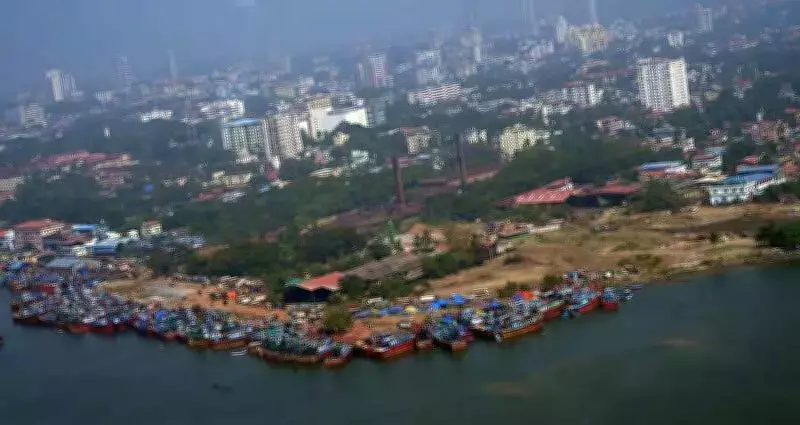
West Asia Crisis Creates Dual Impact on Mangaluru's Real Estate Market
The ongoing conflict in West Asia is generating a complex mix of opportunity and stress for the real estate sector in Mangaluru, a city with deep-rooted connections to Gulf-based investors and homebuyers. Industry experts are closely monitoring the situation as it unfolds, with potential implications for housing demand and market stability.
Potential Demand Surge from Returning Expatriates
Real estate professionals note that housing demand could experience a significant increase if large numbers of expatriates from Gulf countries return to Mangaluru. DB Mehta, president-elect of Credai Karnataka, pointed to historical precedent, recalling the Iraq-Kuwait war period when many Mangalureans living in Kuwait returned home.
"This return led to a sharp rise in real estate demand," Mehta explained. "Property prices increased from about Rs 500 per square foot to Rs 1,500 by 1995. The return of expatriates also introduced high-rise residential buildings in Mangaluru. It was only layout culture before that."

Mehta suggested that a similar trend could recur if the current crisis deepens and leads to a prolonged return of expatriates from Gulf countries, potentially transforming the city's real estate landscape once again.
Current Payment Difficulties and Market Stress
Despite the potential for future demand growth, developers and realtors are currently facing immediate challenges. Buyers employed in the Gulf region are already experiencing payment-related difficulties that are affecting the local market.
Realtors K Shrinath Hebbar, managing director of land trades, and Rohan Monteiro of Property Corporation confirmed that some Mangaluru homebuyers employed in Gulf countries are struggling to arrange funds and keep up with payments. Another realtor noted that buyers from the Gulf who are in the process of purchasing apartments or building houses in the district may now reconsider their plans due to the uncertainty created by the West Asia situation.
Shift in Investor Sentiment and Confidence
The crisis has also triggered a notable shift in investor sentiment. According to Mehta, investors from India, particularly from the Mangaluru region, had previously invested heavily in Gulf real estate, especially in the UAE, viewing it as a secure, high-return market.
"The present uncertainty has shaken that confidence," Mehta stated. "Several investors who entered the Gulf market after the Covid-19 pandemic are now reconsidering their investments and looking at India as a safer option. Many investors I recently interacted with were in a state of panic."
This shift represents a potential opportunity for the Indian real estate market to attract investment that might otherwise have gone to Gulf properties.
Broader Context of the West Asia Conflict
The real estate impacts are occurring against the backdrop of escalating tensions in West Asia. Recent developments include Iran's warning that "all oil and energy infrastructure will turn to ashes" following US actions, Israeli Prime Minister Benjamin Netanyahu dismissing death rumors, and former US President Donald Trump urging nations to send warships to the Strait of Hormuz as conflict with Iran intensifies.
These geopolitical developments are creating ripple effects that extend far beyond the immediate conflict zone, reaching cities like Mangaluru with significant diaspora connections to the region.
As the situation continues to evolve, Mangaluru's real estate market remains in a state of flux, balancing between the potential for increased demand from returning expatriates and the current stress caused by payment difficulties among Gulf-based buyers. Market observers will be watching closely to see how these competing forces shape the city's property landscape in the coming months.






