The real estate landscape in the National Capital Region (NCR) is witnessing a significant shift, with the Meerut-Shamli Expressway rapidly emerging as the preferred destination for homebuyers and investors alike. This corridor, part of the larger Delhi-Meerut Expressway network, is no longer just a transit route but is transforming into a thriving residential and commercial hub. The convergence of enhanced connectivity, planned urban development, and relative affordability is creating a perfect storm of demand in this previously underserved region.
Infrastructure and Connectivity: The Game Changers
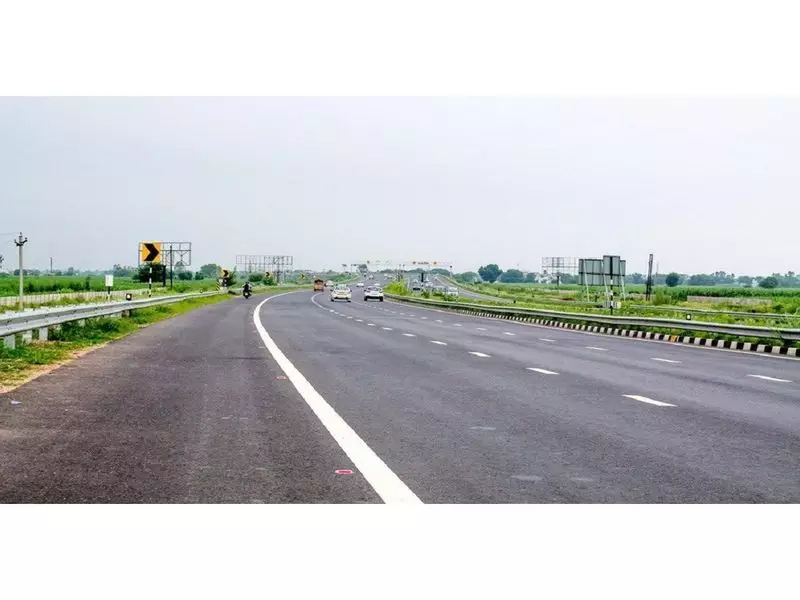
The primary catalyst for this real estate boom is the dramatic improvement in infrastructure. The Delhi-Meerut Expressway (NH-9) has slashed travel time between Delhi and Meerut to roughly 45 minutes, effectively bringing these areas into comfortable commuting distance of the capital. The Meerut-Shamli section acts as a crucial extension, opening up vast tracts of land in western Uttar Pradesh for structured development.
This connectivity is set to be bolstered further by the proposed Delhi-Meerut Rapid Rail Transit System (RRTS). The promise of high-speed regional rail connectivity has added a layer of future-proofing to investments in this corridor, assuring residents of seamless access to Delhi and other NCR towns. Furthermore, the proximity to the Eastern Peripheral Expressway provides excellent freight and logistics links, attracting industrial and commercial interest that, in turn, fuels housing demand.

Affordability and Planned Development
Compared to the skyrocketing prices in Gurugram, Noida, and Ghaziabad, the areas along the Meerut-Shamli Expressway offer significantly more affordable housing options. This price advantage is a major draw for first-time homebuyers and middle-class families looking for more spacious accommodations without breaking the bank. Recognising the potential, both government authorities and private developers are now focusing on planned, integrated townships.
These townships are not just about housing units; they promise a holistic living experience with dedicated spaces for:
- Schools and healthcare facilities
- Shopping complexes and retail hubs
- Parks and recreational areas
- Commercial offices and IT parks
This shift from fragmented plots to organized development is instilling greater confidence in buyers about the quality of life and long-term appreciation of their assets.
Economic Growth and Future Prospects
The real estate surge is intrinsically linked to the area's economic prospects. The expressway corridor is stimulating the growth of industrial clusters, logistics parks, and educational institutions. Cities like Meerut, with their existing industrial base in sports goods and scissors manufacturing, are experiencing a revival. Shamli and surrounding districts are also seeing new economic activity.
This job creation potential is crucial. As employment opportunities grow locally, the demand for housing will become more organic and sustainable, reducing the corridor's dependence on Delhi-centric commuters. Government initiatives under schemes like Housing for All and infrastructure-focused policies are also providing a supportive policy framework for this growth.
The result is a robust ecosystem where improving connectivity makes living here viable, affordability makes it attractive, and planned development with job growth makes it a sustainable long-term bet. For investors, the current price points present an opportunity for substantial value appreciation as infrastructure projects reach completion and urbanisation intensifies. For end-users, it offers a chance to own a modern home in a well-connected, growing area without the prohibitive costs of core NCR markets. The Meerut-Shamli Expressway is, therefore, not just a road but a pathway to a new real estate frontier in the NCR.