

Women-Only Hostel Demand Soars in Tamil Nadu, Occupancy Hits 93%
The demand for structured, women-only accommodation is experiencing a sharp rise across Tamil Nadu, with occupancy levels reaching an impressive 93% as of February 2026. This data, shared by Thozhi Hostels, highlights a significant trend in the state's housing market, driven by the needs of working professionals and students seeking secure and dedicated living spaces.
Current Operations and Geographic Distribution
According to K Krishna Chaitanya, CEO of Tamil Nadu Infrastructure Fund Management Corporation Ltd (TNIFMC), the chain currently operates 19 hostels across the state. This includes 5 hostels in the Chennai region and 14 in other districts of Tamil Nadu. Together, these facilities provide 1,749 operational beds, with 888 located in Chennai and 861 spread across the rest of the state. The total built-up area for these hostels spans 2.85 lakh square feet, offering ample space for residents.
Chennai leads in both bed share and rental rates, accounting for a slightly larger portion of operational beds. The average rent in Chennai stands at ₹5,400 per month, which is significantly higher than the ₹3,850 average in other parts of Tamil Nadu. This disparity reflects the city's higher cost of living and stronger demand for premium accommodation options.

Expansion Plans and Future Growth
The expansion pipeline indicates sustained and growing demand for women-only hostels. The group has plans to develop 27 new hostels across Tamil Nadu, including 3 in Chennai and 24 in other districts. This ambitious expansion will add 2,740 beds to the existing inventory, with 1,150 beds earmarked for Chennai alone. The proposed projects will contribute nearly 3.83 lakh square feet of additional space statewide, further enhancing the availability of structured accommodation.
Resident Profile and Security Features
The occupant profile in these hostels is diverse, largely comprising working women employed in sectors such as IT, corporate, and other industries, along with students preparing for competitive examinations. A majority of residents hail from within Tamil Nadu, particularly from southern and western districts, seeking opportunities in urban centers.
Enhanced security is a top priority, with hostels being designed to include features like CCTV surveillance, biometric access systems, and 24-hour security personnel. These measures ensure a safe and secure environment for all residents, addressing concerns about personal safety in shared living spaces.
Inclusive Design and Amenities
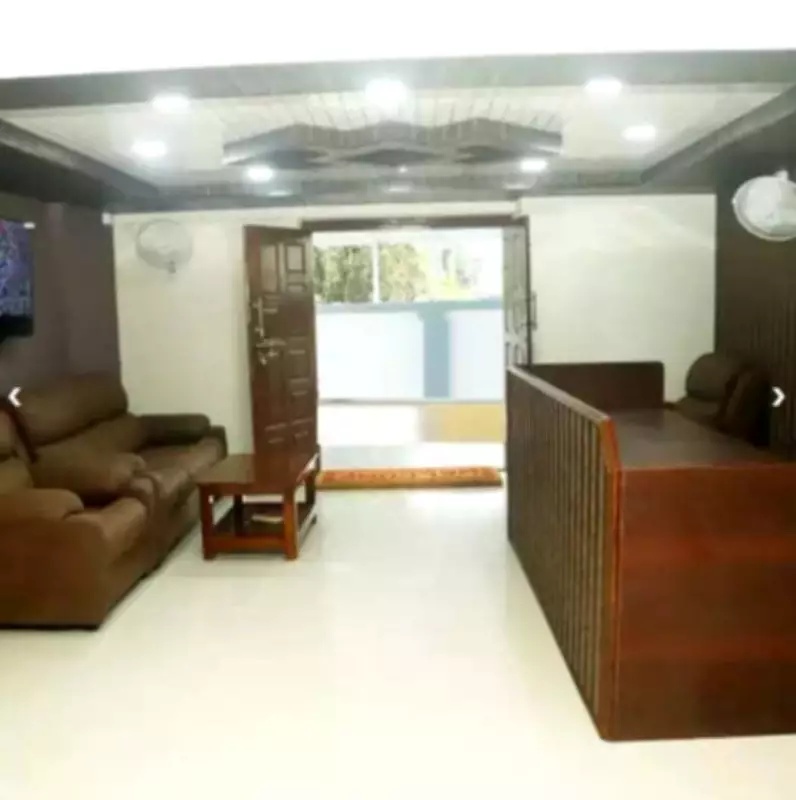
Many properties are incorporating inclusive design elements to cater to a wider range of needs. This includes disabled-friendly rooms and access features, making the hostels more accessible. Additional amenities such as parking facilities, crèche services for working mothers, and common lounges with study or workspaces are also being integrated. These features aim to provide a comfortable and supportive living experience, fostering community and convenience for residents.
The rise in demand for women-only hostels in Tamil Nadu underscores a broader shift towards specialized accommodation solutions, driven by urbanization, employment trends, and educational pursuits. With high occupancy rates and robust expansion plans, this sector is poised for continued growth, offering secure and well-equipped living options for women across the state.






