

BARBIEs: The New Wave of US-Educated Entrepreneurs Building India's Startup Future
A fresh term is gaining popularity within India's startup community. People now refer to them as BARBIEs. This acronym stands for Bachelors Abroad Returning to Build in the Indian Ecosystem.
Anshul and Anmol recently shared a viral post on X. Their post brought attention to this specific and expanding group of Indians. These individuals pursue undergraduate studies abroad. Then they return to India to establish and grow ambitious companies.
The concept gained even more traction after entrepreneur and investor Deedy Das reposted it. This simple label has started meaningful conversations about a noticeable trend.

The Financial Reality and Growing Visibility
Undergraduate education in the United States carries a significant price tag. For numerous families, the total cost over four years can reach hundreds of thousands of dollars. This high expense naturally limits the size of this group.
It remains much smaller compared to the vast number of Indians who go abroad for Master's programs. Despite the smaller numbers, BARBIE-style returnees are becoming increasingly prominent in India's startup landscape.
Many of them enter the scene early as active builders. They launch new companies. They join rapidly scaling startups. They swiftly move into critical product and leadership positions.
Three Distinct Paths for US Undergraduate Returnees
People often view Indians with US undergraduate degrees as a single elite group. However, their career paths typically follow a few distinct patterns. Family background and professional incentives shape these trajectories.
- Ultra-Wealthy Family Business Backgrounds
Students from this category frequently study economics, finance, or fields connected to their family industries. Many return to India promptly after graduation. They either join the existing family enterprise or start a new venture with strong family support.
- Wealthy Professional-Class Families
This segment includes students whose families work in technology, law, finance, or medicine. Many choose computer science or engineering majors. They often take jobs in the US after completing their degrees. Some later decide to return to India to build companies, usually in technology-driven sectors.
- Financial Aid and Merit-Based Entrants
A smaller group gains admission to top universities through scholarships or financial aid. These students commonly focus on STEM subjects. Many remain in the United States for longer periods for work or advanced studies. When they do establish companies, they often bring considerable technical expertise and a long-term strategic vision.
What BARBIEs Are Building in India
Most BARBIE-style returnees gravitate towards sectors where India offers enormous scale and rapid adoption. Their businesses frequently operate in areas like:
- Quick commerce and logistics
- E-commerce and consumer brands
- Fintech and digital payments
- Software tools and B2B products developed in India
- Gaming, entertainment, and social platforms
- Education and professional upskilling
The common theme extends beyond simply starting a company. These entrepreneurs build specifically for India's massive market. They prioritize speed, wide distribution, hiring at scale, and an intense focus on execution.
Zepto: The Prime Example of the BARBIE Pipeline
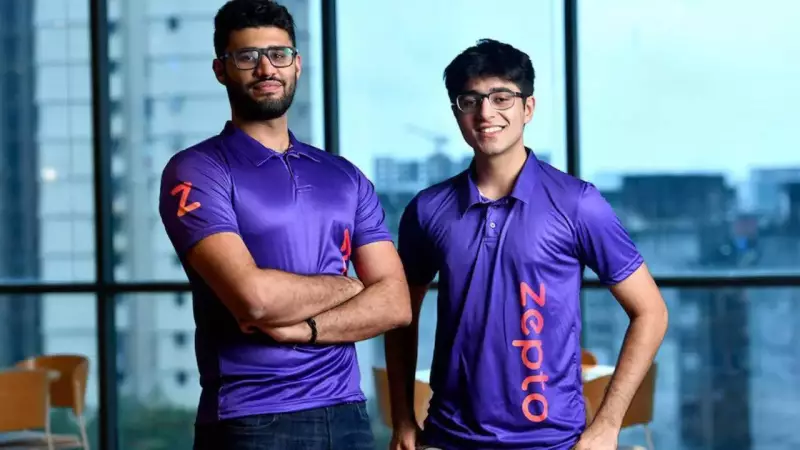
If one startup currently embodies the BARBIE discussion, it is Zepto. The company's founders, Aadit Palicha and Kaivalya Vohra, are strongly linked to the US university to India startup pathway.
Their journey has become a benchmark. It shows how swiftly a new generation can transition from global classrooms to India's demanding consumer market. This is especially true in sectors like quick commerce, where operational speed is as crucial as the product itself.
Global Exposure Shaping India's Startup Leadership
While BARBIEs specifically refers to undergraduate education abroad, India's broader startup ecosystem includes many leaders shaped by international experience. This exposure comes in various forms, including overseas education, global work stints, and connections to worldwide tech networks.

Several well-known examples illustrate this trend:
- Aadit Palicha and Kaivalya Vohra (Zepto): Linked to US university exposure before building a leading quick-commerce startup.
- Peyush Bansal (Lenskart): Studied abroad and gained international work experience before scaling Lenskart into a major eyewear business.
- Deepinder Goyal (Zomato): Moved from a corporate career to build a consumer internet company that became a publicly listed platform.
- Kunal Shah (CRED): Built consumer-fintech businesses while maintaining close ties to global startup ideas and networks.
Not all these names are US undergraduate returnees. Yet they demonstrate how global exposure, in different formats, has become a consistent element in India's modern startup leadership.
Why India is Now the Preferred Building Ground
A significant change has occurred over the past ten years. Many globally educated Indians no longer consider returning to India a secondary option.
For some, the US path appears uncertain due to immigration challenges and a fiercely competitive job market. For others, the attraction is simply stronger in India. They see the opportunity to build for a vast consumer base, scale operations quickly, and solve problems that feel directly relevant to daily life.
Entrepreneurship has also entered the mainstream. Startup culture now features in popular media and everyday discussions. Young founders view building companies as a legitimate first career move rather than a risky alternative.
The contrast between joining a giant like Google and building a company like Zepto represents a real choice for many globally trained Indians. In the US, graduates often move towards stable, high-paying roles or tech-focused startups, particularly in enterprise software and deep-tech.
In India, the momentum often lies with consumer-facing companies. Success in these ventures depends on distribution networks, logistics efficiency, and operational speed. This explains why names like Zepto have become symbols of the new returnee founder mindset: faster, younger, more operationally focused, and dedicated to building in India now rather than waiting for an ideal moment abroad.
The Common Origins of BARBIEs
This group typically emerges from a specific educational pipeline. Many attend elite English-medium schools in major metropolitan cities. Others study at prominent boarding or international schools. They often grow up fluent in English, comfortable in Western academic settings, and able to adapt easily to US university life.
This background frequently helps them build networks early and navigate global systems. It also means the cohort remains relatively small and concentrated. Privilege undoubtedly plays a role. The high cost of overseas undergraduate education makes this unavoidable.
What often distinguishes BARBIE-style returnees is their unique combination of early independence, global exposure, and strong peer networks. In India's current startup environment, this mix can translate into remarkable speed. They hire faster. They demonstrate clearer product thinking. They possess sharper fundraising instincts. They carry the confidence to think big from the very beginning.





