

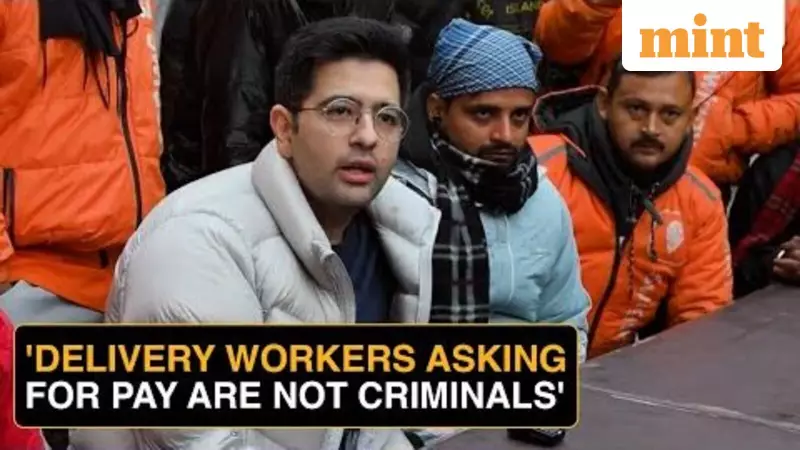
A major dispute in India's gig economy has reached a boiling point, with a public confrontation between Aam Aadmi Party (AAP) Rajya Sabha MP Raghav Chadha and Zomato founder and CEO Deepinder Goyal. The clash, centered on ongoing protests by food delivery riders demanding better pay and working conditions, has now ignited a fierce debate across social media platform X, drawing in senior figures from the startup world.
The Confrontation and the Viral Video
The incident, which came to light on January 4, 2026, stems from a video showing delivery executives protesting against what they describe as low earnings and intense work pressure. Following this, Raghav Chadha directly called out Deepinder Goyal online, challenging the Zomato CEO to address the grievances of the platform's frontline workforce. The exchange quickly turned viral, putting the spotlight on the human cost behind the convenience of app-based food delivery.
Startup Leaders Weigh In, Controversy Grows
The online spat did not remain confined to the politician and the CEO. The controversy escalated as other prominent leaders from India's startup ecosystem began responding, adding more layers and opinions to the fiery exchange. This involvement from multiple industry voices has fueled the debate, transforming it from a bilateral argument into a national discussion about the ethics and sustainability of the gig economy model in India.

The core of the protest revolves around delivery executives working for Zomato and other platforms seeking higher wages and fairer working conditions. Their demands have gained urgency amid the rapid expansion of ultra-fast 10- to 15-minute delivery models, which they say has drastically increased work pressure without proportional compensation.
National Spotlight on Gig Worker Rights
This standoff is drawing unprecedented national attention to the treatment of workers who form the backbone of India's booming platform economy. With millions of Indians now dependent on app-based gig work for their livelihood, the outcome of this conflict could set a significant precedent. It raises critical questions about wage structures, incentive systems, and the social security of a workforce that is often classified as 'partners' rather than employees.
The public nature of the clash between a high-profile parliamentarian and one of India's most celebrated startup founders underscores a growing political and social reckoning for the technology-driven service industry. As the debate continues online, all eyes are on how platform companies will respond to the mounting pressure for systemic reform.






