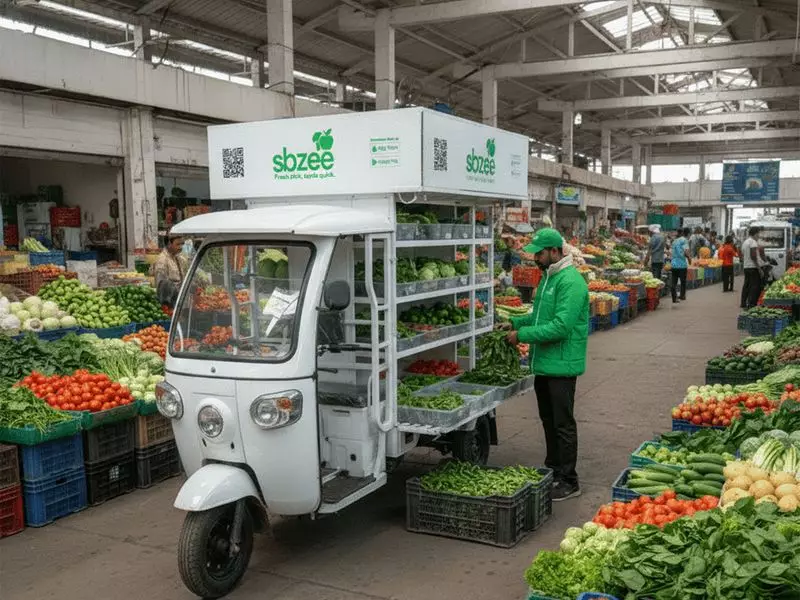
In a significant push towards sustainable urban logistics, agri-tech startup SBZee has launched a fleet of 100 electric vehicle (EV) carts in the Delhi-NCR region. This initiative aims to transform the last-mile delivery of farm-fresh fruits and vegetables, directly connecting farmers with consumers while tackling pollution and operational costs.
A Green Revolution for Last-Mile Delivery
The newly launched electric carts are a core component of SBZee's strategy to overhaul the traditional supply chain. The company, which operates a farm-to-business and farm-to-retail model, procures produce directly from farmers. Previously reliant on conventional fuel-based vehicles for the final leg of delivery, this shift to EVs marks a pivotal change. The primary goals are to drastically reduce carbon emissions and to lower the high fuel expenses that typically burden fresh produce logistics.
SBZee's co-founder, Pulkit Gupta, emphasized the dual benefit of this move. He stated that the adoption of electric carts is not just an environmental imperative but also a smart economic decision. By eliminating fuel costs, the company can improve its margins and potentially offer more competitive prices, creating a win-win scenario for both the business and its customers.

Scaling Up and Future Roadmap
This initial deployment of 100 electric carts is just the beginning. SBZee has outlined ambitious plans to expand its electric fleet aggressively. The startup aims to have 500 EV carts operational across the markets it serves within the next six months. This rapid scaling underscores the company's confidence in the economic and operational viability of electric vehicles for its specific use case.
The expansion is strategically timed with SBZee's broader growth trajectory. The company recently secured $1.5 million in a pre-Series A funding round. A substantial portion of this capital infusion is earmarked for strengthening its technological infrastructure and, crucially, for expanding its logistics and delivery capabilities. The electric cart initiative is a direct result of this strategic allocation.
Broader Impact on Agriculture and Sustainability
The introduction of an electric delivery fleet has implications that extend beyond corporate logistics. For the farmers partnered with SBZee, a more efficient and cost-effective supply chain means better and more reliable market access for their perishable goods. It reduces the time and complexity involved in getting produce from the farm to urban vendors and retailers.
For Delhi-NCR, a region perpetually grappling with severe air pollution, the replacement of numerous diesel and petrol-powered delivery vehicles with zero-emission alternatives is a positive step. It aligns with broader national and regional goals of promoting electric mobility to improve urban air quality. This move positions SBZee not just as an agri-tech player but as a contributor to sustainable urban development.
In conclusion, SBZee's launch of 100 EV carts is a concrete example of how technology and sustainability can converge to solve practical business and environmental challenges. By focusing on the electrification of last-mile delivery, the company is setting a new standard for the agricultural supply chain in India. As it plans to multiply its electric fleet fivefold in the coming months, this initiative could inspire similar shifts across the logistics and fresh produce sectors, driving a greener and more efficient future for urban consumption.