

The Rise of Bharat-Focused Retail Startups
Across India's vast small towns and semi-urban markets, a quiet revolution is underway in how people shop for daily essentials. For years, consumers in these areas faced limited choices, poor quality, and high prices at local kirana stores. Today, a new wave of startups is changing that reality by designing business models specifically for Bharat—India beyond the metros.
From Farmer to Loyal Customer: The SuperK Story
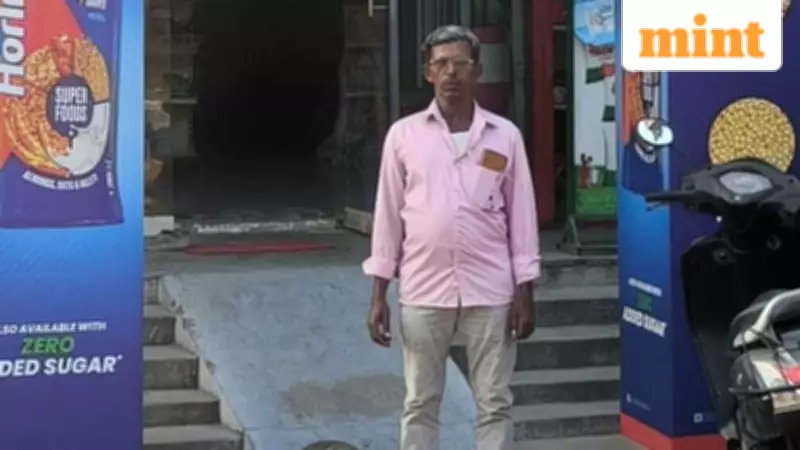
Venkataramanan Reddy, a 58-year-old farmer from Rayachoty in Andhra Pradesh, represents this shift. For years, his grocery shopping was disappointing, with subpar lentils and high prices at neighborhood stores. Three years ago, he discovered SuperK, a retail startup running franchisee-owned grocery outlets in Rayalaseema. Now, he spends around ₹5,000 monthly at their store, enjoying better variety, quality, and offers. "I do all my grocery shopping at the SuperK store now," says Reddy, highlighting how organized retail is gaining trust in small towns.
Diverse Models for Diverse Markets
These startups are not copying metro playbooks but creating hybrid approaches. SuperK builds a franchisee-led grocery chain with membership pricing. CityMall operates value-led online grocery across Uttar Pradesh, Haryana, West Bengal, and Bihar, using community partners for low-cost fulfillment. Glamzy runs beauty stores in tier-II and III cities, blending offline consultation with online convenience. Zaaroz delivers essentials via app in Tamil Nadu towns, while Navo helps fashion retailers source trends through a video wholesale platform. Rozana goes deepest, with an assisted rural commerce model across 22,000+ villages in Uttar Pradesh and Haryana, using peer partners and walk-in stores.

Learning from Meesho's Success
The potential is immense. A Bain and Company report shows 60% of new e-commerce users since 2020 came from tier-III cities or beyond. Meesho's IPO in December 2025 at a $9 billion valuation validated focusing on small-town India. Its FY25 revenue crossed ₹9,000 crore, with most transactions from non-metro areas. "I don't think this is a winner-take-all market," says Dipanjan Basu of Fireside Ventures, an investor in Rozana. "It's a market that can support multiple sustainable businesses."
Value Over Speed: The Core Principle
In Bharat, value trumps convenience. CityMall's average order value is around ₹500 per household. "They are okay to compromise on brand. Their preference is price before choice and convenience," says co-founder Angad Kikla. To keep costs low, CityMall aggregates orders and fulfills them in batches through local partners. SuperK uses membership fees starting at ₹299 for 10% cashback, making it cheaper than neighborhood stores. Zaaroz shifted to a subscription model for merchants, charging platform fees instead of commissions to ensure transparency.
Building Trust Through Physical Presence
Trust is crucial in small towns, often requiring a physical touchpoint. Glamzy's 60 stores in Karnataka, Kerala, and Tamil Nadu offer personalized guidance. "The consumer wants active guidance from a person they know and trust," says co-founder Rahul Aggarwal. Rozana's model includes peer partners—36,000 locals, mostly women, who act as ordering and delivery hubs—and walk-in stores that boost revenue by 30% in operational areas. "People come in autos and buses from nearby villages... It builds trust," says co-founder Ankur Dahiya.
Local Insights and Private Labels
Founders are moving closer to their markets for better understanding. SuperK's team lived in Kadapa for years; Glamzy is headquartered in Mysuru; Zaaroz is based in Chidambaram. Private labels also play a key role. SuperK caps margins at 5-10% on its labels, pricing detergent at ₹140 versus ₹200 for brands. CityMall launched Sethi Sweets with small packs for Diwali, catering to local buying habits.
Challenges and Endurance
Despite growth, challenges persist: thin grocery margins, high logistics costs, and fragile loyalty. Startups focus on cluster-based expansion for density. SuperK targets ₹3,000 crore in Rayalaseema alone; Navo aims for ₹15 crore monthly by deepening regional presence. "Startups in this space will have to answer how they facilitate small-town aspirations at low margins," says Vikram Gawande of Blume, an early SuperK investor.

The Future of Bharat Retail
This shift is more than a moment—it's a phase of cracking non-urban consumption. With kiranas still accounting for 91% of India's grocery sales, the opportunity is vast. As Kearney India's Kaushika Madhavan notes, "India is in a 'present continuous' of cracking non-urban consumption. The only question is how long it will take." These startups are paving the way by valuing Bharat's unique needs, proving that success lies in unlearning metro assumptions and embracing local realities.





