

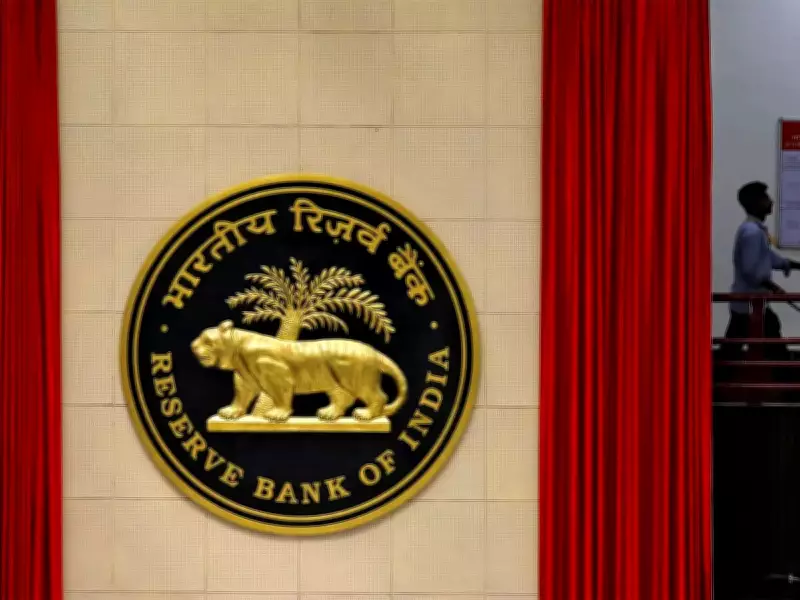
ANMI Raises Alarm Over RBI's Stricter Broker Funding Regulations
Mumbai-based ANMI, one of India's largest trade bodies representing stock brokers, has issued a stark warning regarding the Reserve Bank of India's (RBI) recent move to impose stricter rules on bank funding for broking activities. The organization contends that these regulations could significantly reduce government tax revenues and severely dry up liquidity across the nation's stock exchanges.
Call for Implementation Delay and Consultation Period
In a formal communication addressed to the Securities and Exchange Board of India (SEBI), the market regulator, ANMI has urgently requested that the implementation of the RBI circular be postponed by at least six months. This extension would "allow market participants to submit comprehensive feedback and detailed impact assessments while engaging in constructive consultation with regulatory authorities."
The new RBI guidelines, scheduled to take effect from April 1, mandate stricter risk compliance measures and require substantially larger collateral from brokers. Market analysts and participants have expressed concerns that these changes will effectively narrow borrowing avenues for brokers, substantially increase trading costs, and ultimately drain liquidity from the bourses.

Key Changes in RBI's Regulatory Framework
The central bank has introduced several pivotal modifications aimed at mitigating market-related risks associated with broker funding. One of the most significant stipulations requires that all funding provided to brokers must be fully backed by collateral. This marks a dramatic shift from the current practice where a portion of such loans could remain unsecured.
Additionally, the regulations specify that in instances where a bank guarantee is extended to an exchange, at least 50% of that guarantee must be supported by collaterals, with a minimum of 25% required to be in cash. Furthermore, when lenders accept stocks as collateral, banks are prohibited from providing loans exceeding 60% of the total value of those stocks.
In a move with far-reaching implications, the RBI has explicitly banned banks from funding proprietary trading activities conducted by brokers. The new framework also mandates that all loans extended to brokers by banking institutions must fall within the lender's overall market lending limits.
Potential Economic and Market Consequences
Financial experts highlight that these stringent measures could have cascading effects on India's capital markets. By restricting borrowing capacity and increasing operational costs for brokers, the regulations may lead to:
- Reduced trading volumes across major stock exchanges
- Decreased market participation from retail and institutional investors
- Lower transaction tax collections for the government
- Potential volatility in stock prices due to diminished liquidity
- Increased compliance burdens for both banks and brokerage firms
The brokerage community, through ANMI, emphasizes that while risk management is crucial for financial stability, these regulations require careful calibration to avoid unintended consequences that could hamper market efficiency and government revenue streams.






