

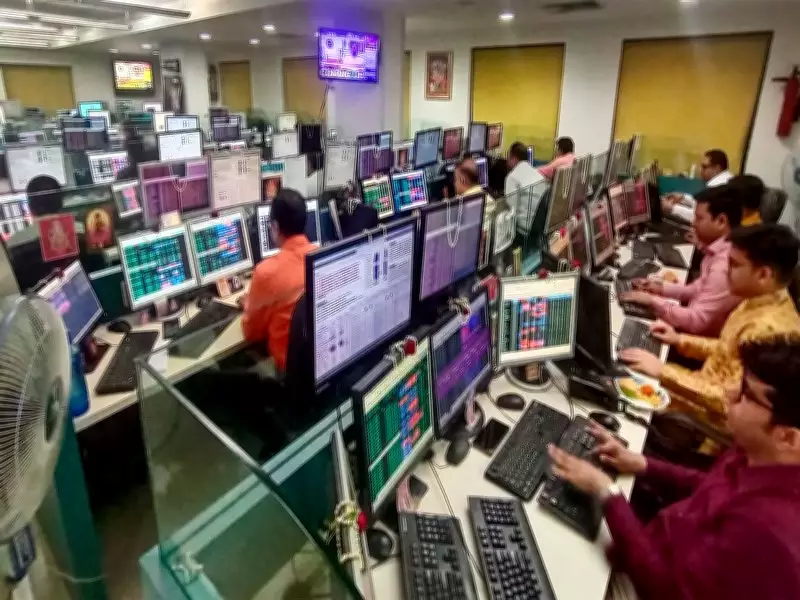
In a recent analysis, ICRA, a leading credit rating agency, has projected that trading volumes in India's financial markets will hold steady despite the imposition of a higher Securities Transaction Tax (STT) as announced in Budget 2026. This forecast comes amid concerns that increased transaction costs could dampen market activity, but ICRA's assessment suggests otherwise, highlighting the robustness of India's trading ecosystem.
Understanding the STT Increase in Budget 2026
The Securities Transaction Tax, a levy imposed on the purchase and sale of securities such as equities and derivatives, has been revised upward in the latest budget proposal for 2026. This move aims to generate additional revenue for the government while potentially curbing speculative trading. Historically, STT adjustments have sparked debates among investors and analysts regarding their impact on market liquidity and participation.
ICRA's Rationale for Steady Trading Volumes
ICRA's analysis points to several factors that are expected to mitigate the negative effects of the higher STT. Market resilience has been a key theme, with Indian investors demonstrating adaptability to regulatory changes in the past. The agency notes that the overall growth in the economy, coupled with increasing financial literacy and digital adoption, is likely to sustain trading interest.

Moreover, ICRA emphasizes that the structural shifts in the market, such as the rise of retail participation and the proliferation of online trading platforms, have created a more diversified and robust trading environment. These elements are anticipated to absorb the impact of the tax hike without significant volume declines.
Potential Implications for Investors and the Market
The higher STT could lead to increased transaction costs for traders, particularly those engaged in high-frequency or short-term strategies. However, ICRA suggests that this may encourage a shift towards longer-term investment horizons, aligning with broader financial stability goals. The agency also warns that while volumes may remain steady, there could be nuanced effects on different segments of the market.
- Equity markets might see a slight adjustment in trading patterns as investors recalibrate their strategies.
- Derivatives trading could experience more pronounced impacts due to the leveraged nature of these instruments.
- Retail investors, who form a growing portion of the market, may become more selective in their trades to optimize costs.
Broader Economic Context and Future Outlook
ICRA's forecast is set against the backdrop of India's evolving economic landscape, where fiscal policies like STT adjustments play a crucial role in shaping market dynamics. The agency calls for continuous monitoring of trading data post-implementation to assess real-time impacts and adjust predictions as needed. Looking ahead, factors such as global economic trends, domestic policy shifts, and technological advancements will continue to influence trading volumes beyond the STT change.
In conclusion, while the higher STT in Budget 2026 presents a new challenge for market participants, ICRA's analysis provides a reassuring outlook on trading volume stability. This perspective underscores the maturity of India's financial markets and their capacity to navigate regulatory changes without major disruptions.






