

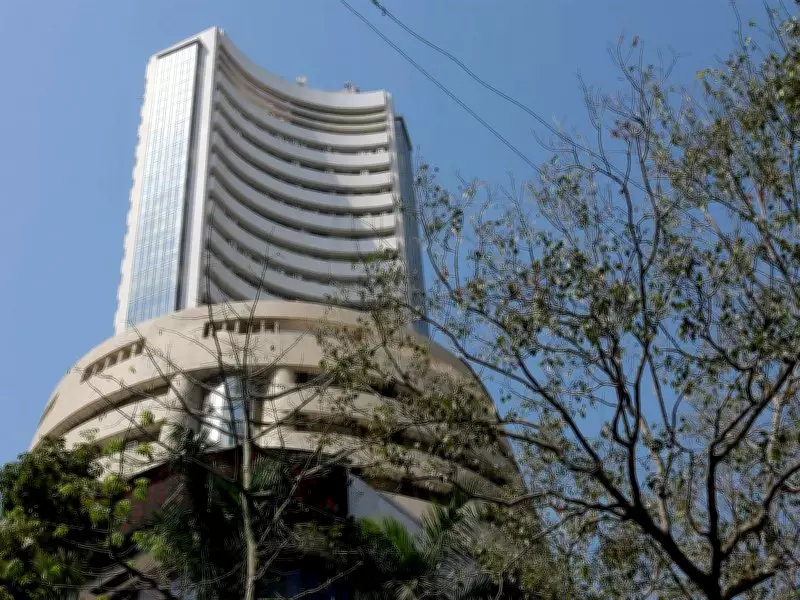
Indian equity benchmarks, the Nifty and Sensex, faced a turbulent opening session on Monday, succumbing to heightened global volatility and escalating geopolitical tensions in the Middle East. The markets opened in negative territory, reflecting a cautious stance among investors who are grappling with uncertainties on multiple fronts.
Market Opening Sees Sharp Decline
At the opening bell, both the Nifty 50 and the BSE Sensex registered significant losses, with the indices trading lower by over half a percent. This downward movement was primarily driven by a sell-off in information technology (IT) stocks, which have been particularly sensitive to global economic shifts and geopolitical risks.
IT Sector Bears the Brunt
The IT sector emerged as the worst performer in early trading, with major companies like Tata Consultancy Services (TCS), Infosys, and Wipro witnessing sharp declines. Analysts attribute this slide to concerns over how rising tensions in the Middle East could impact global tech demand and disrupt supply chains, given the region's strategic importance in the global economy.

Market experts note that IT stocks are often seen as bellwethers for global sentiment, and their weakness signals broader apprehensions about international stability. The sector's reliance on overseas clients, especially in the United States and Europe, makes it vulnerable to geopolitical upheavals that could affect business operations and client spending.
Geopolitical Tensions Fuel Investor Anxiety
The rise in Middle East tensions has added a layer of complexity to an already volatile global market environment. Investors are closely monitoring developments in the region, as any escalation could lead to increased oil prices, inflationary pressures, and disruptions in trade routes, all of which would negatively impact Indian markets.
Financial analysts emphasize that such geopolitical risks often trigger a flight to safety, with investors moving away from riskier assets like equities towards more stable options. This shift in sentiment is evident in the early market movements, where defensive sectors showed relative resilience compared to the broader decline.
Broader Market Impact and Outlook
Beyond the IT sector, other segments of the market also felt the pressure, though to a lesser extent. Banking and financial stocks showed mixed trends, while commodity-linked stocks were influenced by fluctuations in global prices. The overall market breadth was negative, with more declining stocks than advancing ones.
Looking ahead, market participants are advised to keep a close watch on:
- Updates from the Middle East and their potential impact on global crude oil prices.
- Corporate earnings reports from Indian companies, which could provide direction to specific stocks.
- Global economic indicators, such as inflation data and central bank policies, that might influence investor sentiment.
In summary, the opening session highlighted how interconnected Indian markets are with global events. While domestic factors remain important, external volatilities like Middle East tensions can swiftly alter market dynamics, underscoring the need for investors to maintain a diversified and cautious approach in such uncertain times.






