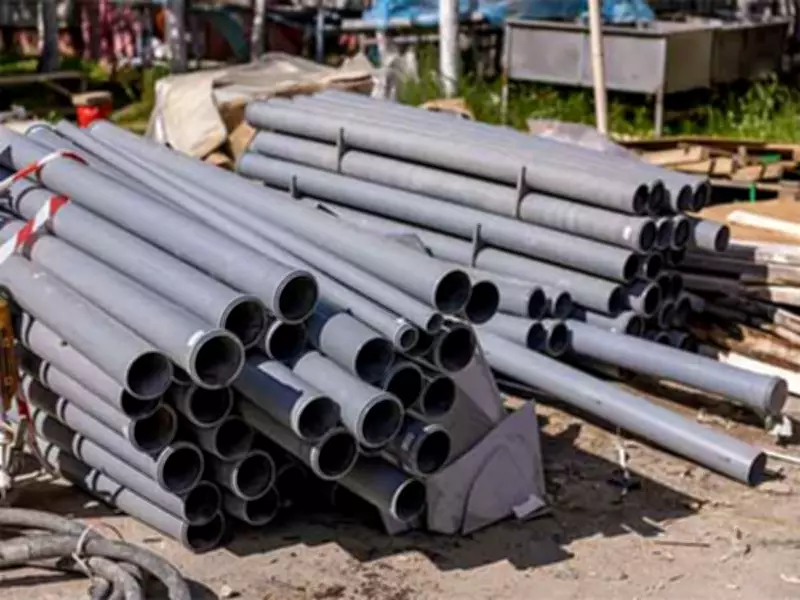
PVC pipe makers are set to see a 10-15% revenue surge this fiscal, driven by higher realisations as resin prices remain elevated due to the West Asia conflict and a depreciating rupee, according to Crisil Ratings.
Profitability Boost
EBITDA per tonne is expected to rise to Rs 23,000 from Rs 21,200 last fiscal, with fixed costs remaining largely stable. The ratings agency noted that organised PVC pipe and fitting makers will benefit from higher crude oil prices, which have pushed up resin costs. As two-thirds of resin requirements are imported, accounting for 75-80% of total costs, players are passing on most of the increase to customers.
Himank Sharma, Director at Crisil Ratings, said: "Higher crude prices and a depreciating rupee are expected to keep resin prices elevated. Rising resin prices, although expected to moderate in the third quarter, will drive realisations 12-15% higher on-year this fiscal."

Demand Dynamics
Demand from the irrigation sector, which accounts for about 45% of total PVC pipe demand, is expected to grow a modest 2-4% this fiscal. This is supported by increased irrigation needs for the 2026 agricultural season and the launch of Jal Jeevan Mission (JJM) 2.0 in March 2026, with a budget allocation of Rs 67,670 crore—three times that of the previous edition.
However, demand from plumbing and water supply segments linked to urban infrastructure and real estate, accounting for the remaining 55%, is expected to be constrained by elevated costs and inflationary pressures. As a result, overall sales volume is projected to decline by 3-5%, deviating from steady growth in previous fiscals.
Capacity and Working Capital
Capacity additions will remain limited due to expected moderation in sales volume, with capacity utilisation holding steady around 70%. Organised PVC pipe makers are expected to add 5-10% to existing capacities, entailing a capex outlay of Rs 2,500-2,700 crore. This will drive a 13-15% increase in gross block.
Rushabh Borkar, Associate Director at Crisil Ratings, noted: "Despite the planned capital expenditure and incremental working capital requirements, healthy cash accruals will limit reliance on external debt." However, higher resin prices have increased working capital needs, with inventory holding rising by 10 days to 85 days, leading to greater dependence on external debt.
Outlook
Crisil Ratings expects volatility in global resin prices, escalation of the West Asia conflict, and demand recovery across end-user segments to be key monitors. While prices may normalise closer to pre-war levels in the coming months after the ceasefire announcement, average prices will remain higher compared to pre-conflict levels.