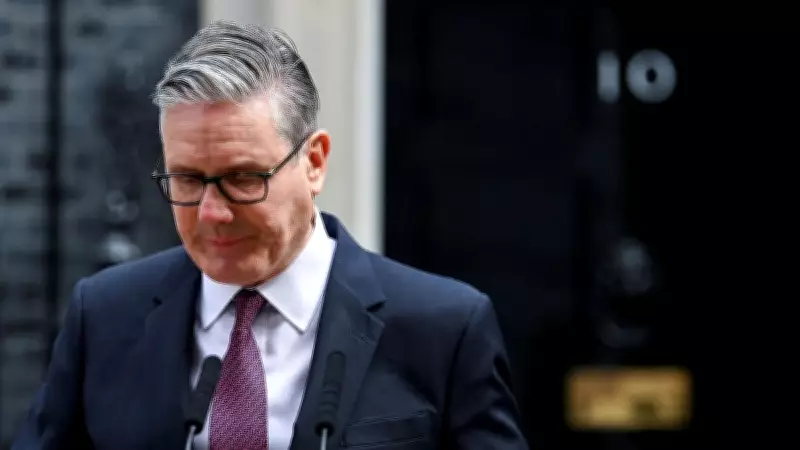
A Decade of Political Turmoil: Britain's Seventh Prime Minister
Britain is on the cusp of swearing in its seventh prime minister in just ten years, a stark reflection of the political chaos that has gripped the nation since the 2016 Brexit referendum. The upcoming transition, expected to be confirmed by the end of this week, underscores the deep instability that has plagued the country's leadership.
Economic Struggles and High Debts
In the years since the vote, Britain has tried to forge its own path but struggled to boost its low-growth economy, hamstrung by high debts and a growing welfare bill. According to the Office for National Statistics, the UK's GDP growth has averaged just 1.2% annually since 2016, well below the pre-referendum trend. Public sector net debt has risen to over 100% of GDP, while welfare spending now accounts for nearly a quarter of government expenditure.
Geopolitical Volatility Adds Pressure
At a time of growing geopolitical volatility, including the war in Ukraine and shifting trade alliances, Britain's political instability has further undermined investor confidence. The pound sterling has fluctuated wildly, and business investment has remained sluggish. The new prime minister, widely expected to be Labour leader Keir Starmer, will inherit a fragile economy and a deeply divided electorate.

"The next prime minister faces the monumental task of restoring economic credibility and political stability," said a senior analyst at the Institute for Government. "Without decisive action on debt and growth, the cycle of chaos may continue."