

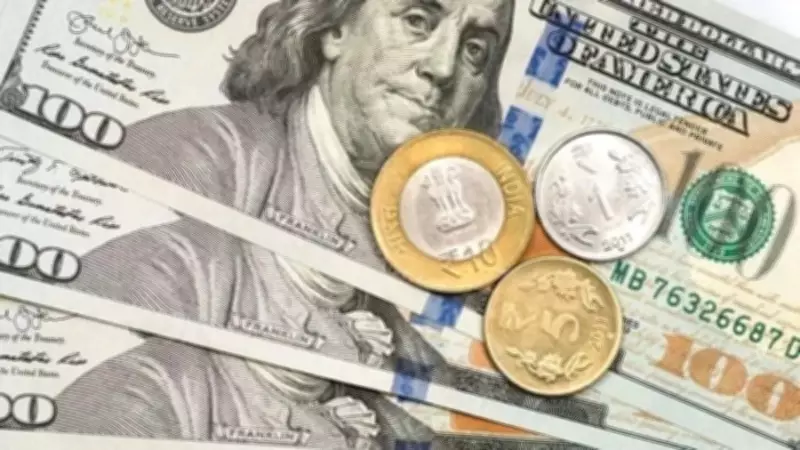
Indian Rupee Declines 31 Paise Against US Dollar, Settles at 90.99
The Indian rupee experienced a significant drop in value on Wednesday, falling by 31 paise to close at 90.99 against the US dollar. This depreciation reflects ongoing pressures in the foreign exchange market, influenced by a combination of domestic and international economic factors.
Key Drivers Behind the Rupee's Fall
Forex traders and analysts point to several critical elements contributing to the rupee's decline. Strong demand for the American currency from importers and banks played a major role, as businesses sought dollars for international transactions. Additionally, rising crude oil prices exerted downward pressure on the rupee, given India's status as a major oil importer. Higher oil costs typically increase the country's import bill, leading to greater demand for dollars and weakening the local currency.
Market Sentiment and Trading Patterns
During intraday trading, the rupee opened weak at 90.85 against the dollar and fluctuated within a narrow range before settling at the day's low of 90.99. The trading session was marked by cautious sentiment, with investors closely monitoring global economic indicators and central bank policies. The strength of the US dollar in international markets further compounded the rupee's struggles, as the greenback gained ground against other major currencies due to positive economic data from the United States.

Impact on the Broader Economy
The rupee's depreciation has implications for various sectors of the Indian economy. Importers face higher costs for goods and services priced in dollars, potentially leading to increased inflation for consumers. Conversely, exporters may benefit from a weaker rupee, as their products become more competitive in global markets. However, the overall effect depends on other factors like global demand and trade policies.
Outlook and Future Projections
Financial experts suggest that the rupee's performance in the coming days will hinge on multiple variables. Key factors to watch include:
- Movements in global crude oil prices and their impact on India's trade deficit.
- Monetary policy decisions by the Reserve Bank of India and the US Federal Reserve.
- Domestic economic data releases, such as inflation figures and GDP growth rates.
- Geopolitical developments affecting international trade and currency flows.
While short-term volatility is expected, long-term stability will depend on India's economic recovery post-pandemic and its ability to attract foreign investment.






