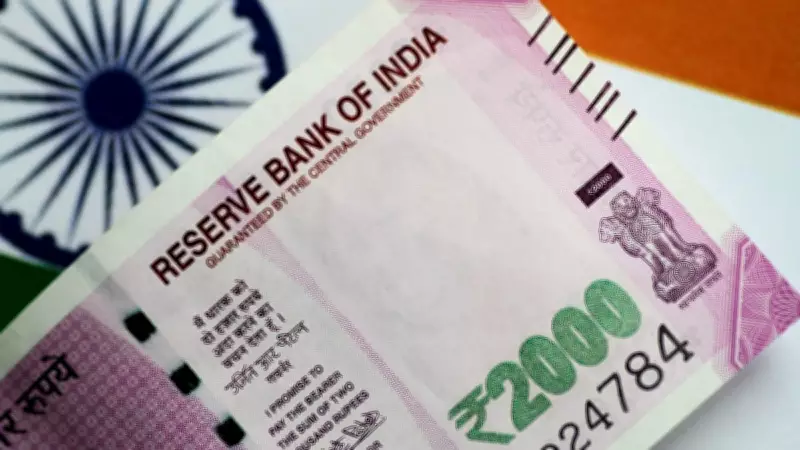
Rupee Hits All-Time Low of 92.35 Against US Dollar, Sensex Plunges Over 1,100 Points
In a dramatic market downturn, the Indian rupee has plummeted to a fresh all-time low of 92.35 against the US dollar, marking a significant depreciation amid escalating global tensions. Simultaneously, the benchmark Sensex index tumbled by a staggering 1,123 points, while the Nifty index dived 385 points, reflecting widespread investor anxiety as geopolitical conflicts continue to weigh heavily on financial markets.
Market Turmoil Driven by Geopolitical Uncertainty
The sharp decline in both currency and equity markets is primarily attributed to the prolonged drag of ongoing wars, which have heightened risk aversion and triggered capital outflows from emerging economies like India. Analysts point to several key factors contributing to this market crash:
- Geopolitical Risks: Persistent conflicts have led to increased volatility, with investors seeking safer assets such as the US dollar, putting pressure on the rupee.
- Global Economic Slowdown: The war-induced disruptions are exacerbating supply chain issues and inflationary pressures, dampening market sentiment.
- Domestic Concerns: Rising oil prices and fiscal deficits are further straining the Indian economy, compounding the rupee's weakness.
This dual blow of a weakening currency and falling stock indices underscores the fragile state of the financial landscape, with experts warning of potential further declines if tensions persist.

Impact on Investors and Economy
The rupee's depreciation to 92.35 against the dollar not only makes imports more expensive but also fuels inflation, affecting consumers and businesses alike. The Sensex's drop of 1,123 points and Nifty's fall of 385 points have eroded investor wealth significantly, with market capitalization taking a substantial hit. Key sectors such as banking, IT, and energy have borne the brunt of the sell-off, reflecting broader economic vulnerabilities.
As markets grapple with this turmoil, authorities are closely monitoring the situation, with potential interventions to stabilize the rupee and restore confidence. However, the overarching influence of external geopolitical factors means that recovery may hinge on a resolution to the ongoing conflicts, leaving investors in a state of cautious anticipation.