

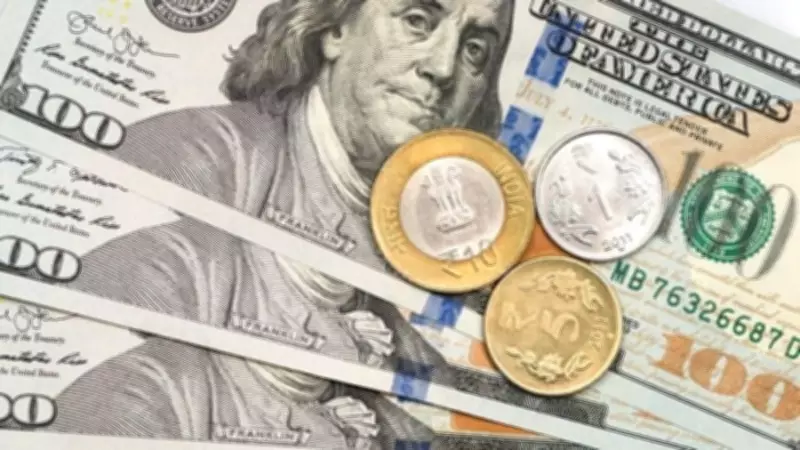
Indian Rupee Plunges to All-Time Low Against US Dollar
The Indian rupee has reached a historic nadir in the foreign exchange market, closing at a record low of 94.05 against the US dollar. This significant depreciation marks a concerning milestone for the currency, reflecting heightened pressures from both domestic and international economic factors.
Key Drivers Behind the Rupee's Decline
The rupee's sharp fall to 94.05 per dollar was primarily fueled by robust demand for the US currency from importers, who are actively securing dollars to meet their international payment obligations. Concurrently, foreign institutional investors have been pulling funds out of Indian markets, exacerbating the downward pressure on the rupee. These outflows are largely attributed to global economic uncertainties, including rising interest rates in the United States and geopolitical tensions that are prompting investors to seek safer assets.
Market analysts note that the rupee's weakness is also linked to broader macroeconomic challenges, such as India's trade deficit and inflationary concerns, which are undermining investor confidence in the currency's stability.

Implications for the Economy and Markets
The record low closing of 94.05 has immediate repercussions for various sectors of the Indian economy. Importers are facing increased costs, which could lead to higher prices for goods and services, potentially stoking inflation. Conversely, exporters might benefit from a weaker rupee, as it makes Indian products more competitive in global markets. However, the overall impact on trade balances remains uncertain, given the volatile nature of currency fluctuations.
Financial experts warn that sustained depreciation could prompt the Reserve Bank of India (RBI) to intervene in the forex market to stabilize the rupee. Such measures might include selling dollars from its reserves or adjusting monetary policies to curb excessive volatility.
Global Context and Future Outlook
Globally, the US dollar has been strengthening against multiple currencies due to the Federal Reserve's hawkish stance on interest rates and safe-haven demand amid economic slowdown fears. This trend has contributed to the rupee's decline, as it aligns with broader market movements. Looking ahead, the rupee's trajectory will depend on several factors:
- Domestic economic indicators, such as GDP growth and inflation rates.
- Foreign investment flows into Indian equities and debt markets.
- Global oil prices, which affect India's import bill and currency demand.
- Policy actions by the RBI and government to support the rupee.
While some analysts predict further volatility in the near term, others believe that corrective measures and improving economic fundamentals could help the rupee recover from its record low levels. Investors and businesses are advised to monitor these developments closely to navigate the evolving forex landscape effectively.






