

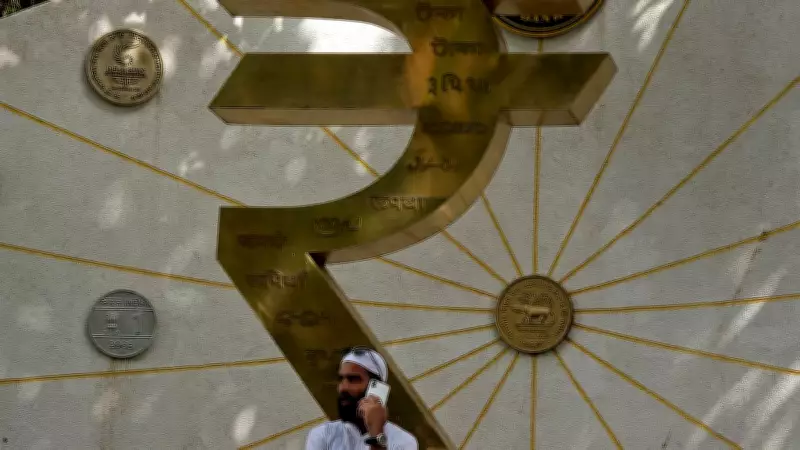
Indian Rupee Strengthens Significantly After Central Bank Actions
The Indian rupee demonstrated a notable recovery, appreciating by 1.6% to close at 93.14 against the US dollar. This upward movement was primarily attributed to strategic measures implemented by the Reserve Bank of India (RBI), which aimed to stabilize the currency and bolster market confidence amid turbulent global conditions.
Persistent Challenges Weigh on Currency Performance
Despite this positive shift, the domestic currency continues to face substantial headwinds. Forex analysts highlight several key factors exerting downward pressure on the rupee:
- Unabated Foreign Capital Withdrawal: Sustained outflows of foreign investments have strained the rupee's value, as global investors reassess risk in emerging markets.
- Strengthening US Dollar: The dollar's robust performance in international markets has made it more expensive for other currencies, including the rupee, to compete.
- Rising Crude Oil Prices: Elevated oil costs increase India's import bill, leading to higher demand for dollars and putting additional stress on the rupee.
- Volatile Geopolitical Situation: Ongoing global tensions contribute to market uncertainty, affecting currency stability and investor sentiment.
These combined elements create a complex environment where the rupee's gains are tempered by external economic forces. The RBI's interventions, while effective in the short term, must contend with these broader macroeconomic trends that influence forex dynamics.

Market Implications and Future Outlook
The rupee's settlement at 93.14 marks a significant improvement, yet analysts caution that the currency's trajectory remains closely tied to global developments. Monitoring factors such as foreign capital flows, dollar strength, and oil price fluctuations will be crucial for assessing future performance. As India navigates these challenges, the role of central bank policies in mitigating volatility and supporting economic resilience becomes increasingly vital.






