

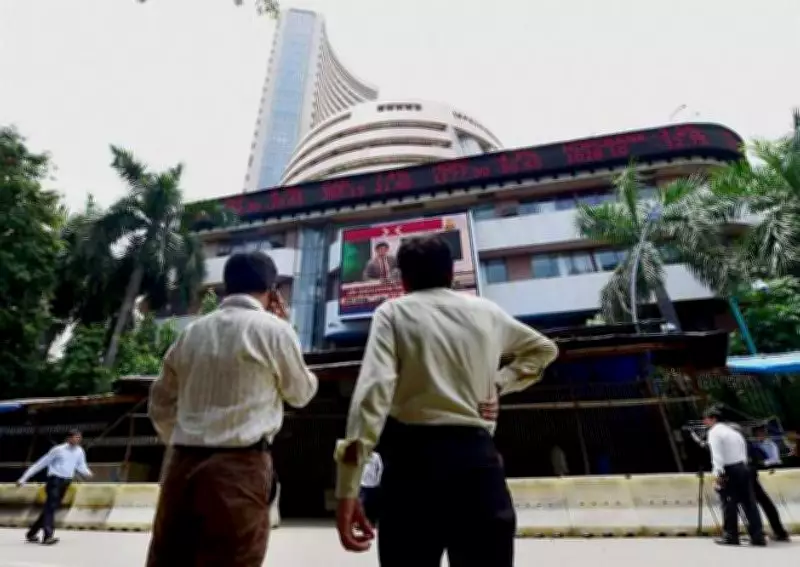
Indian Stock Markets Plunge Amid Geopolitical Tensions
The Indian stock market experienced a significant downturn during early trading hours on Thursday, with benchmark indices recording steep losses. The BSE Sensex plummeted by a staggering 1191 points, while the NSE Nifty fell sharply by 349 points. This dramatic decline reflects heightened investor anxiety driven by external economic pressures.
Oil Price Surge Triggers Market Sell-Off
The primary catalyst for this market crash is the sudden and substantial increase in global crude oil prices. Brent crude futures surged past the $90 per barrel mark, creating ripples across financial markets worldwide. The spike in oil prices is directly linked to escalating military conflicts in the West Asia region, particularly involving key oil-producing nations.
Analysts attribute the market volatility to multiple interconnected factors:

- Geopolitical instability in West Asia disrupting global oil supply chains
- Increased risk aversion among foreign institutional investors
- Concerns about rising input costs for Indian industries
- Potential impact on India's current account deficit and inflation
Sector-Wide Impact and Market Sentiment
The market decline was broad-based, affecting nearly all major sectors. Banking and financial stocks were among the worst performers, with significant losses in both public and private sector banks. Energy stocks also faced selling pressure despite the rise in crude prices, as investors worried about margin compression for downstream companies.
Market experts noted that the sudden downturn reflects growing concerns about the sustainability of India's economic recovery in the face of external shocks. The volatility index (India VIX) jumped significantly, indicating heightened fear among market participants.
Historical Context and Future Outlook
This market correction represents one of the sharpest single-day declines in recent months. While similar geopolitical events have previously impacted Indian markets, the current situation is particularly concerning given the already elevated global energy prices and persistent inflationary pressures.
Key considerations for investors include:
- Monitoring developments in West Asia and their impact on oil production
- Assessing the Reserve Bank of India's potential policy responses
- Evaluating corporate earnings amid rising input costs
- Watching foreign portfolio investment flows for directional cues
The market's reaction underscores the interconnected nature of global economies and the vulnerability of emerging markets to external geopolitical events. As the trading day progresses, market participants will closely watch for any diplomatic developments that might ease tensions in the conflict zone.






