

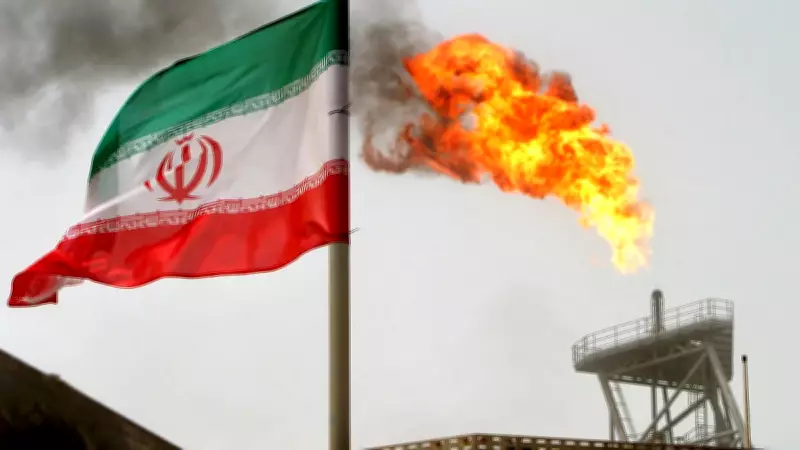
Markets Open in Red: Sensex Drops 234,589 Points Amid West Asia Conflict
Indian stock markets experienced a sharp decline at the opening bell today, with the benchmark Sensex plummeting by a staggering 234,589 points. This significant drop has sent shockwaves through the financial sector, highlighting the vulnerability of global markets to geopolitical tensions.
West Asia Conflict Drives Oil Prices Above $100 Per Barrel
The primary catalyst for this market turmoil is the escalating conflict in West Asia, which has pushed crude oil prices soaring above the critical threshold of $100 per barrel. This surge in oil prices has triggered widespread investor panic, as higher energy costs are expected to impact corporate profits and fuel inflation in import-dependent economies like India.
Analysts point out that the conflict has created a perfect storm for market volatility, with uncertainty over supply disruptions and potential economic sanctions adding to the bearish sentiment. The rise in oil prices is particularly concerning for India, which relies heavily on imports to meet its energy needs, making it susceptible to global price shocks.

Impact on Indian Economy and Investor Sentiment
The sharp fall in the Sensex reflects broader anxieties about the Indian economy's resilience in the face of external pressures. Key sectors such as automotive, aviation, and manufacturing are likely to face increased operational costs due to higher fuel prices, potentially squeezing margins and slowing growth.
Market experts warn that if the conflict persists, it could lead to prolonged market weakness, affecting everything from foreign investment flows to domestic consumer spending. Investors are advised to exercise caution and diversify their portfolios to mitigate risks associated with such geopolitical events.
Historical Context and Future Outlook
This is not the first time that geopolitical tensions in West Asia have roiled global markets. Past conflicts have often led to similar spikes in oil prices and subsequent market corrections. However, the current situation is being closely monitored for its potential to escalate further, which could have more severe and lasting impacts.
- Increased volatility in stock markets worldwide
- Rising inflation concerns due to higher energy costs
- Potential slowdown in economic growth for oil-importing nations
- Shift in investor focus towards safer assets like gold and bonds
In conclusion, the markets opening in red with the Sensex down by 234,589 points underscores the interconnectedness of global events and financial markets. As the West Asia conflict continues to unfold, stakeholders must stay informed and prepared for possible further disruptions. The coming days will be crucial in determining whether this is a temporary setback or the beginning of a more extended period of economic uncertainty.






