

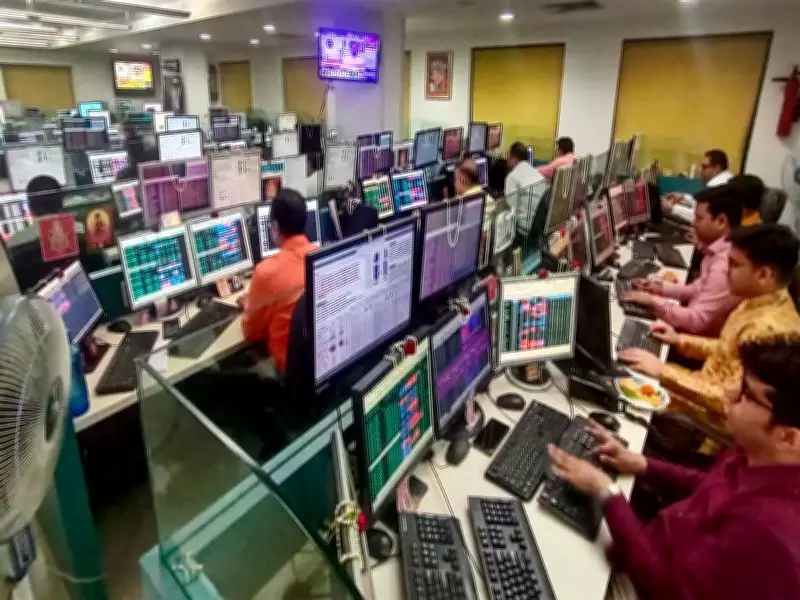
Indian Stock Indices Extend Losses Amid West Asia Conflict, Sensex Plunges Over 1500 Points
The Indian stock market witnessed a sharp decline as major indices extended their losses, with the benchmark Sensex dropping over 1500 points in a single trading session. This significant downturn has been primarily attributed to the escalating conflict in West Asia, which has heightened global economic uncertainties and investor anxiety.
Market Performance and Key Indices
The Sensex, India's premier stock index, closed at a lower level, reflecting a substantial loss of more than 1500 points. Similarly, the Nifty 50 index also experienced a notable decline, mirroring the bearish sentiment across the market. This marks a continuation of the recent downward trend, with indices facing sustained pressure from external geopolitical factors.
Analysts point out that the West Asia conflict has triggered a wave of risk aversion among investors, leading to a sell-off in equities. The volatility index (VIX) surged, indicating heightened market fear and uncertainty. Sector-wise, banking, automotive, and energy stocks were among the hardest hit, as concerns over oil prices and global trade disruptions weighed heavily on these segments.

Impact of West Asia Conflict on Global Markets
The ongoing tensions in West Asia have had a ripple effect on global financial markets, with Indian stocks being no exception. The conflict has raised fears of potential disruptions in oil supply chains, which could lead to increased inflation and slower economic growth worldwide. In response, international investors have been pulling out funds from emerging markets like India, seeking safer havens in more stable assets.
This exodus of foreign capital has exacerbated the losses in Indian indices, as the rupee also weakened against the US dollar. The combination of geopolitical strife and economic headwinds has created a challenging environment for market participants, with many adopting a cautious stance in the near term.
Expert Analysis and Future Outlook
Market experts suggest that the current downturn may persist until there is a resolution or de-escalation in the West Asia conflict. They emphasize the importance of monitoring global developments closely, as any further escalation could lead to additional market corrections. However, some analysts remain optimistic about the long-term prospects of the Indian economy, citing strong domestic fundamentals and potential recovery once external pressures subside.
Investors are advised to stay vigilant and consider diversifying their portfolios to mitigate risks. The Reserve Bank of India and other regulatory bodies are also expected to keep a close watch on market dynamics, potentially intervening if necessary to stabilize the situation.
In summary, the Indian stock market's extended losses, with the Sensex falling over 1500 points, underscore the significant impact of the West Asia conflict on global and domestic financial landscapes. As uncertainties loom, market participants brace for continued volatility while hoping for a swift resolution to the geopolitical tensions.






