

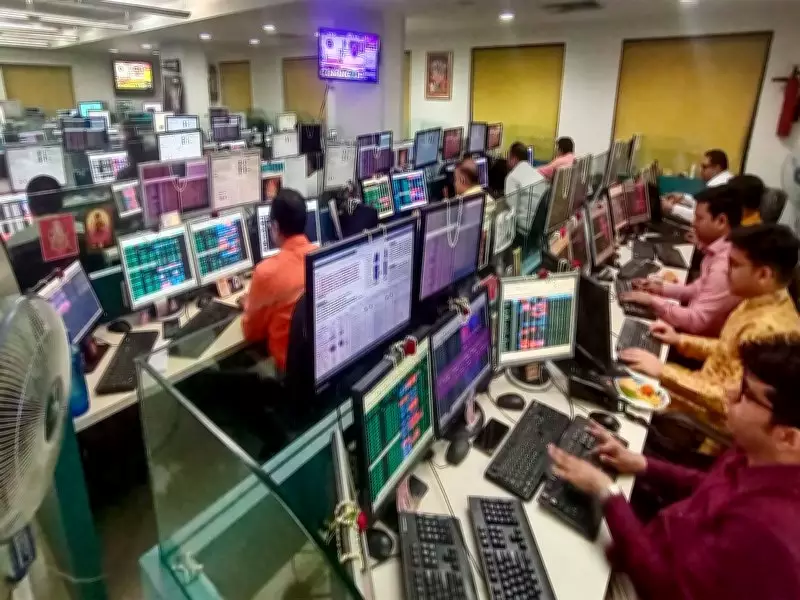
Indian Stock Market Tumbles as West Asia Conflict Intensifies
Indian stock indices experienced a significant downturn on Tuesday, driven by escalating geopolitical tensions in the West Asia region. The benchmark Sensex plunged by over 1000 points, reflecting heightened investor anxiety and market uncertainty. This sharp decline underscores the vulnerability of global financial markets to international conflicts and their ripple effects on emerging economies like India.
Market Volatility Spikes Amid Geopolitical Unrest
The India VIX, a key indicator of market volatility, surged by 25% during the trading session, signaling increased fear and risk aversion among investors. This spike in volatility is a direct response to the ongoing conflict in West Asia, which has raised concerns about potential disruptions to oil supplies, inflationary pressures, and broader economic instability. Market analysts attribute the sell-off to a combination of geopolitical risks and profit-booking by investors seeking safer assets.
Key factors contributing to the market downturn include:

- Geopolitical tensions in West Asia leading to uncertainty in global markets.
- A sharp rise in the India VIX, indicating heightened market volatility.
- Investor concerns over potential impacts on oil prices and inflation.
- Profit-taking activities as market participants react to external shocks.
Broader Market Impact and Sectoral Performance
The sell-off was broad-based, affecting various sectors across the Indian stock market. Banking, energy, and automobile stocks were among the hardest hit, as these industries are particularly sensitive to geopolitical developments and oil price fluctuations. The Nifty 50 index also witnessed a substantial decline, mirroring the losses seen in the Sensex. This market reaction highlights the interconnectedness of global events and domestic financial markets, with Indian equities reacting swiftly to international crises.
Financial experts note that while such corrections are not uncommon during periods of geopolitical strife, the magnitude of the drop underscores the need for investors to remain cautious and diversify their portfolios. The Reserve Bank of India and other regulatory bodies are closely monitoring the situation to ensure market stability and prevent excessive volatility from derailing economic recovery efforts.
Outlook and Investor Sentiment
Looking ahead, market sentiment is likely to remain subdued until there is clarity on the resolution of the West Asia conflict. Investors are advised to keep a close watch on geopolitical developments, oil price trends, and domestic economic indicators. The recent market correction serves as a reminder of the inherent risks in equity investments during times of global uncertainty, emphasizing the importance of risk management and long-term investment strategies.
In summary, the Indian stock market's sharp decline, with the Sensex falling over 1000 points and volatility spiking, is a direct consequence of the escalating conflict in West Asia. This event underscores the critical role of geopolitical factors in shaping market dynamics and investor behavior in today's interconnected financial landscape.






