

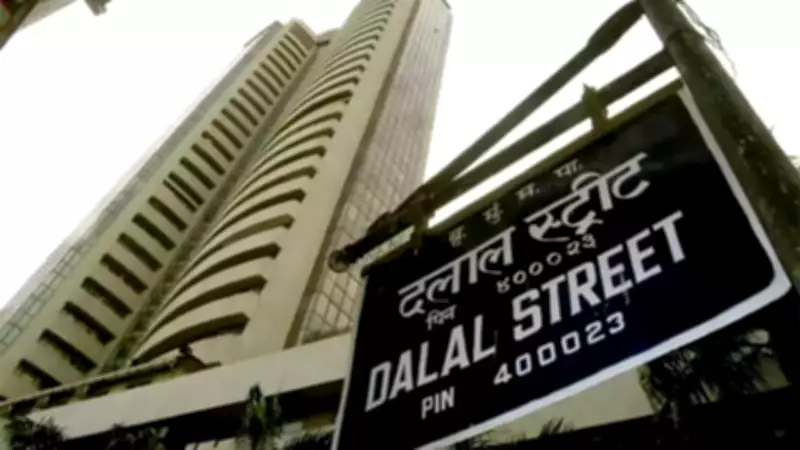
Sensex Surges Over 1,200 Points Amid Rising Hopes for West Asia Peace
In a dramatic late-session rally on Wednesday, the Sensex soared by more than 1,200 points, reclaiming the 75,000 mark as optimism grew over potential diplomatic resolutions to the West Asia conflict. This surge was fueled by accelerating peace initiatives between the US, Israel, and Iran, which sparked a global market rally, a dip in crude oil prices, and gains in precious metals.
Global Market Momentum and Domestic Factors Drive Rally
The Sensex closed at 75,273 points, marking a significant increase of 1,205 points or 1.6%, while the Nifty on the NSE rose by 394 points or 1.7% to end at 23,306 points. This rally added a staggering Rs 8.2 lakh crore to investor wealth, pushing the BSE's market capitalisation to Rs 431 lakh crore, according to official data.
Vinod Nair, Head of Research at Geojit Investments, highlighted that markets built on previous momentum as global risk sentiment improved with emerging peace prospects. He noted, "Potential diplomatic progress between the US and Iran, despite mixed geopolitical commentary, led to easing crude oil prices below $100 per barrel, which was welcomed by the market. Early signs of normalisation in maritime movement through the Strait of Hormuz are likely to further support investor confidence, although it may be early to comment."

International Markets Join the Bullish Trend
Despite a muted close in US markets the previous night, global indices rallied strongly. In Asia, Japan's Nikkei closed nearly 3% higher, Hong Kong's Hang Seng gained 1.1%, and Shanghai rose 1.3%. European markets followed suit, with the UK's FTSE up 1.5% and Germany's Dax up 1.6% in late trades. Early US trading saw the Dow Jones and S&P indices each up nearly 1%, while the Nasdaq Composite increased by 1.3%. Brazil's iBovespa also opened with a 2% gain.
Foreign and Domestic Investment Trends
The Sensex rally occurred even as foreign funds recorded a net selling of Rs 1,805 crore, the lowest single-session figure since the conflict began. In contrast, domestic investors were net buyers at Rs 5,430 crore, as per BSE data, indicating robust local support that helped offset foreign outflows and drive the market upward.
This combination of improved global sentiment, easing geopolitical tensions, and strong domestic participation underscores the dynamic factors influencing India's stock market performance amid ongoing international developments.






