

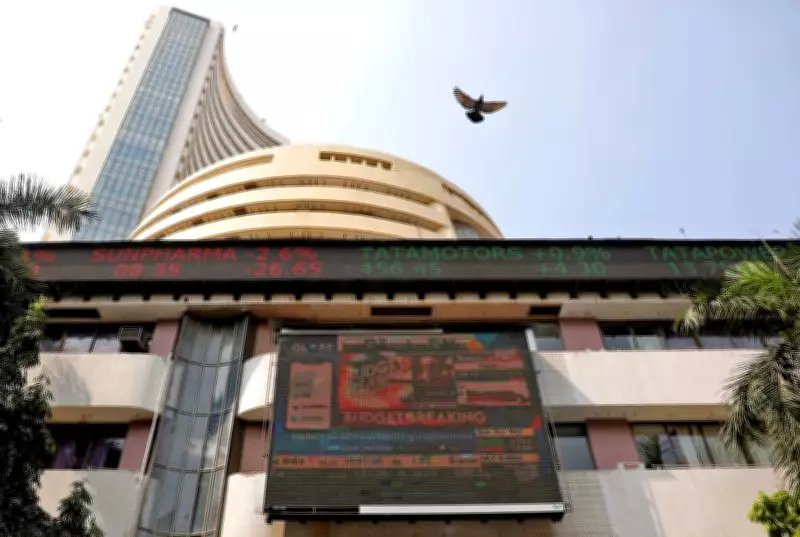
Indian Stock Markets Experience Sharp Downturn Amid Geopolitical Unrest
The Indian equity benchmarks, the Sensex and Nifty, faced a significant setback, tumbling nearly 2 percent in a single trading session. This abrupt decline was primarily driven by a surge in crude oil prices, which escalated due to growing geopolitical tensions in the West Asia region. The volatile market conditions have raised concerns among investors about potential economic repercussions.
Crude Oil Prices Skyrocket on Escalating West Asia Conflicts
Crude oil prices witnessed a sharp increase, climbing to multi-week highs as tensions in West Asia intensified. The geopolitical unrest, involving key oil-producing nations, has disrupted supply chains and fueled fears of a global energy crisis. This surge in oil prices directly impacted the Indian stock markets, as higher energy costs can lead to inflationary pressures and reduced corporate profitability.
Market Sentiment Dampened by External Factors
Investor sentiment took a hit as external factors, including the crude oil price hike and geopolitical uncertainties, overshadowed domestic economic indicators. The Sensex plummeted by over 1,000 points, while the Nifty fell below key psychological levels. Market analysts attribute this downturn to a combination of profit-booking and risk aversion among traders.

- Rising crude oil prices due to West Asia tensions
- Increased risk aversion among global investors
- Profit-booking activities in overvalued sectors
- Concerns over inflation and interest rate hikes
Sectoral Performance and Broader Market Impact
The market decline was broad-based, with most sectors, including banking, energy, and automobiles, experiencing significant losses. The BSE Midcap and Smallcap indices also mirrored the downturn, falling in tandem with the benchmark indices. This widespread sell-off indicates a cautious approach by investors amid the prevailing uncertainties.
Market experts suggest that the situation remains fluid, and further developments in West Asia could dictate short-term market trends. Investors are advised to monitor geopolitical events and oil price movements closely.Outlook and Future Implications
The near-term outlook for Indian stock markets appears challenging, with geopolitical risks and oil price volatility posing significant headwinds. However, long-term investors might view this correction as a buying opportunity in fundamentally strong companies. The Reserve Bank of India and government policies will play a crucial role in mitigating the impact of external shocks on the economy.






