

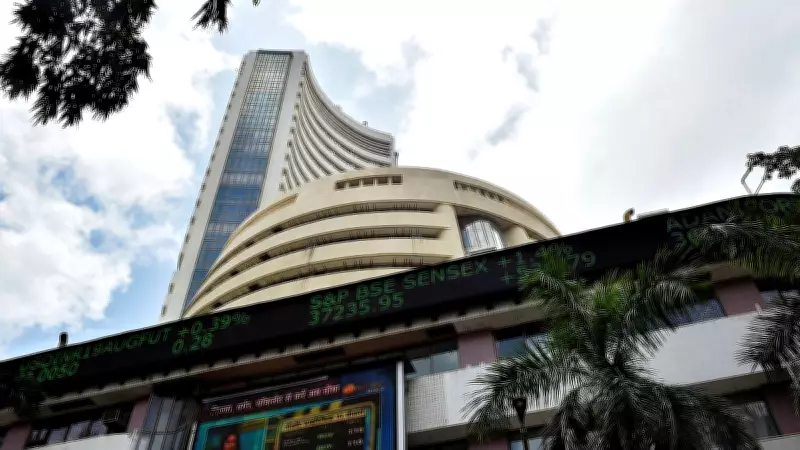
Indian Stock Markets Experience Significant Downturn
Indian equity benchmarks faced a substantial decline on Tuesday, with both the Sensex and Nifty tumbling over 1% in a broad-based sell-off. The downturn was primarily driven by negative global cues and profit-booking by investors after recent gains.
Key Market Indices Show Sharp Declines
The benchmark Sensex dropped by more than 1%, closing at a lower level, while the Nifty 50 index also fell by a similar margin. This marked one of the steepest single-day losses in recent weeks, reflecting heightened volatility in the financial markets.
Sectoral performance was largely negative, with banking and information technology stocks leading the decline. Other sectors such as auto and metals also contributed to the overall market weakness, indicating widespread investor caution.

Factors Contributing to the Market Fall
Analysts attribute the sharp fall to several key factors:
- Global market sell-off: Weakness in international markets, particularly in the United States and Europe, triggered a ripple effect in Indian equities.
- Profit-booking: Investors opted to book profits after a recent rally, leading to increased selling pressure.
- Economic concerns: Ongoing inflation worries and geopolitical tensions added to the negative sentiment.
- Currency fluctuations: The Indian rupee's movement against the US dollar also played a role in impacting market dynamics.
Impact on Investor Sentiment and Future Outlook
The decline has dampened investor sentiment, with many adopting a wait-and-watch approach. Market experts suggest that while short-term volatility may persist, the long-term fundamentals of the Indian economy remain robust. They advise investors to focus on quality stocks and maintain a diversified portfolio to navigate such fluctuations.
Looking ahead, key events such as corporate earnings reports, global economic data releases, and central bank policies will be closely monitored for further direction. The market is expected to remain sensitive to both domestic and international developments in the coming sessions.






