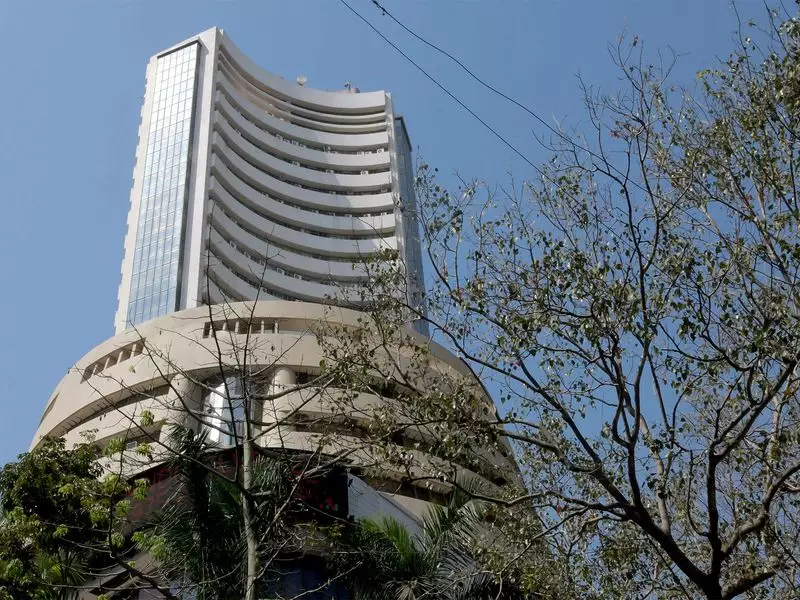
Indian equity benchmarks commenced trading on a watchful note on Wednesday, reflecting investor caution driven by a combination of domestic and international factors. The key indices, the Sensex and the Nifty 50, showed muted movement in early trade as market participants assessed the implications of a weakening rupee, the impending monetary policy decision by the Reserve Bank of India (RBI), and the high-profile diplomatic visit of Russian President Vladimir Putin.
Market Performance and Key Drivers
The 30-share BSE Sensex opened with a slight decline, hovering near the 79,900 mark, while the broader Nifty 50 started around the 24,300 level. This tentative opening followed a record-breaking session previously, indicating a phase of consolidation and profit-booking. Analysts pointed to three primary elements shaping the market's guarded stance.
Firstly, the Indian rupee's depreciation against the US dollar emerged as a significant headwind. The local currency weakened past the 83.50 mark versus the dollar, raising concerns about imported inflation and potential foreign investor outflows. A weaker rupee increases the cost of imports, which can pressure corporate margins and broader economic stability.

Secondly, all eyes are fixed on the Reserve Bank of India's Monetary Policy Committee (MPC) meeting, the outcome of which is scheduled for announcement on Friday, August 8. Investors are keenly awaiting signals on interest rates and the central bank's assessment of inflation and growth. The prevailing expectation is that the RBI will maintain the status quo on rates, but its commentary on future policy stance and inflation outlook will be crucial for market direction.
Global Spotlight on Putin's India Visit
Adding a geopolitical dimension to the market sentiment is the two-day visit of Russian President Vladimir Putin to India, commencing on July 8. This high-level diplomatic engagement is expected to focus on strengthening bilateral trade, defense cooperation, and energy partnerships. While the visit underscores strategic ties, it also brings global geopolitical tensions into focus, influencing investor risk appetite.
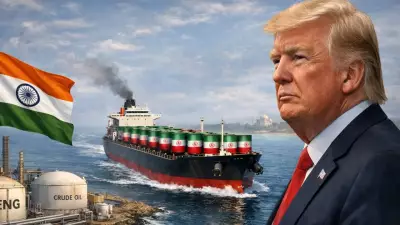
Market experts suggest that deals inked during this visit, particularly concerning oil imports and payment mechanisms, could have longer-term implications for India's economic metrics, including the current account deficit and currency stability. This event has introduced an element of global watchfulness into the domestic market calculus.
Sectoral Movement and Outlook
In early trade, sectoral performance was mixed. Stocks in the banking, financial services, and information technology sectors witnessed some pressure, while select buying was observed in metal and energy counters. The volatility index, India VIX, showed a marginal uptick, suggesting expectations of near-term market swings.
Foreign Institutional Investors (FIIs) were net sellers in the previous session, a trend that often weighs on market sentiment. Domestic Institutional Investors (DIIs), however, provided counterbalancing support. The market breadth, indicating the number of advancing shares versus declining ones, was nearly even, pointing to a lack of broad-based conviction.
Looking ahead, the immediate trajectory for the Sensex and Nifty is likely to be determined by the RBI's policy guidance on Friday. A hawkish tone, expressing heightened concern over inflation, could dampen sentiment. Conversely, a balanced or growth-supportive stance may provide a fresh impetus to the markets. Furthermore, global cues, including crude oil price movements and the dollar's strength, will continue to play a critical role alongside developments from President Putin's visit.
In summary, Indian markets have entered a phase of cautious deliberation. Investors are digesting the trifecta of currency volatility, domestic monetary policy uncertainty, and a significant geopolitical event. The record highs achieved recently have made the market susceptible to profit-taking, and the upcoming RBI decision is the next major domestic catalyst that could set the tone for the near future.